Fishing
Lake Trout Fishing Mastery: Expert Tactics and Gear
Master the art of lake trout fishing with expert advice on deep-water trolling, lure selection, and locating giants in Canada's deepest basins.
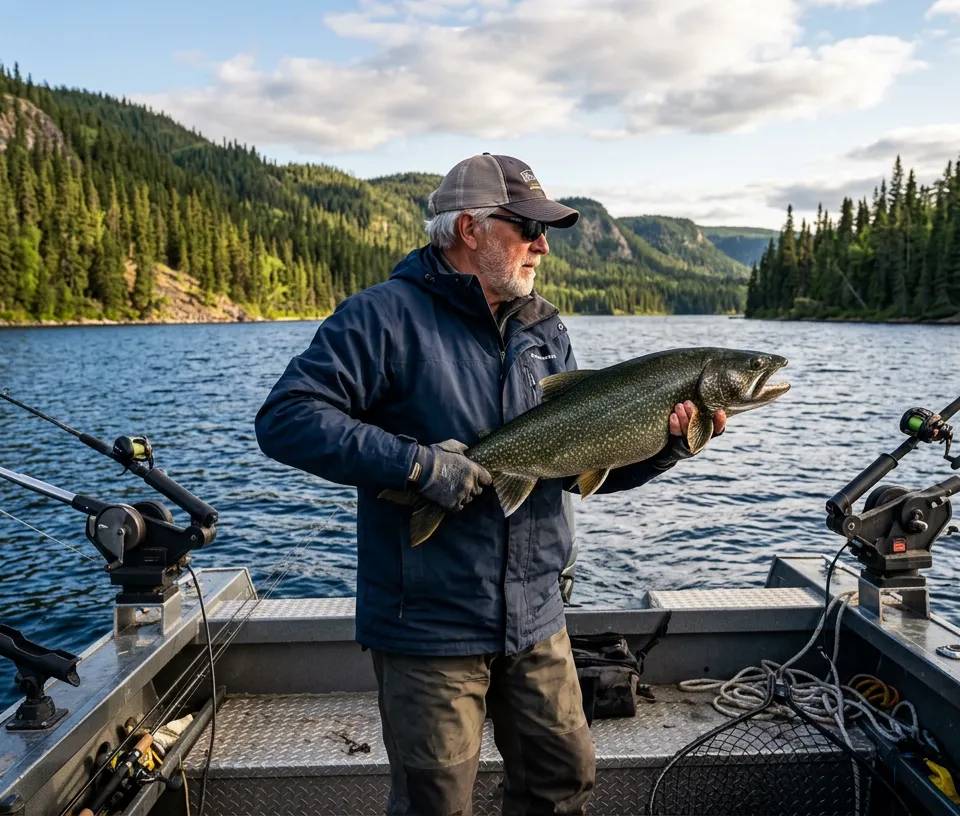
Lake trout fishing is a game of patience, depth, and precision. Known as the giants of the North, these predators thrive in the cold, oxygen-rich waters of Canada's deep lakes. To land a trophy touladi, you must master the art of locating them within the water column and presenting the right bait at the right speed.
Finding the Thermal Sweet Spot
Temperature dictates everything for lake trout. They prefer water temperatures between 45°F and 55°F. Early in the season, you can find them in the shallows, but as the sun warms the surface, they retreat to the deep basins.
- Locating the Thermocline. Use your electronics to find the layer where the temperature drops rapidly. This is where lake trout often suspend to ambush prey.
- Structure and Forage. Look for steep drop-offs, underwater islands, and deep saddles. If you find schools of baitfish like cisco or smelt on your sonar, the trout are never far behind.
Deep Water Trolling Tactics
Since lake trout spend most of the year in deep water, trolling is the most effective way to cover ground and keep your lure in the strike zone.
- Downriggers. These are essential for precision. They allow you to drop your lure to a specific depth—sometimes over 100 feet—without using heavy sinkers on your actual fishing line.
- Lead Core Lines. A great alternative for mid-depth fishing, providing a natural sinking action that follows the contours of the bottom.
- Trolling Speed. Generally, a slow crawl between 1.5 to 2.5 mph is ideal. However, don't be afraid to change speeds or make S-turns to trigger a following fish to strike.
Lure Selection and Presentation
Matching the hatch is critical. If the trout are feeding on small perch, use gold or orange; if they are chasing cisco, silver and blue are your best bets.
- Spoons. Thin, fluttery spoons provide excellent flash and vibration. Brands that have stood the test of time remain staples in every outfitter's tackle box.
- Crankbaits. Deep-diving minnow imitations are excellent when you need to create a lot of noise and movement to wake up lethargic fish.
- Vertical Jigging. When you find a concentration of fish on a reef, dropping a heavy white tube jig or a metal blade bait directly onto them can produce explosive results.
The Fight and Conservation
Lake trout are long-lived and slow-growing. Handling them with care is vital for the sustainability of the fishery. When pulling a fish from great depths, bring it up slowly to allow its swim bladder to adjust.
- Heavy Gear. Use a rod with plenty of backbone to handle the weight of the fish and the drag of the deep-water gear.
- Release Tools. Have long-nose pliers and a rubberized net ready to minimize stress on the fish if you plan to release it.
Choosing the Right Outfitter
A successful trip starts with the right location. Canadian outfitters offer everything from fly-in remote camps to luxury lodges on massive inland seas. When booking, consult with the outfitter about the best times for deep-water vs. shallow-water fishing and inquire about their boat equipment, as a high-quality sonar and downrigger setup is a game-changer for this specific species.
Frequently asked questions
When is the best time to fish for lake trout?
Early spring is ideal for shallow-water fishing. However, summer is excellent for deep-water trolling when fish congregate in the thermocline.
What type of line should I use?
A 20-30 lb braided line with a fluorocarbon leader is recommended for sensitivity and strength. Lead core line is also useful for trolling without downriggers.
How deep do lake trout go in the summer?
They are typically found between 60 and 100 feet deep, where the water remains very cold. Using a sonar is essential to pinpoint the exact depth.
Which lures are most effective?
Silver flutter spoons and large white tube jigs are staples. Crankbaits that mimic cisco or whitefish also perform very well.
Is there a specific trolling speed?
A slow speed between 1.5 and 2.5 mph is often best. It is important to vary your speed to trigger strikes from following fish.