Fishing
Fly-In Speckled Trout: Dry Fly Tactics for Early Season Ice-Out
Master the art of targeting wild speckled trout with dry flies on remote headwater lakes immediately following the spring ice-out.
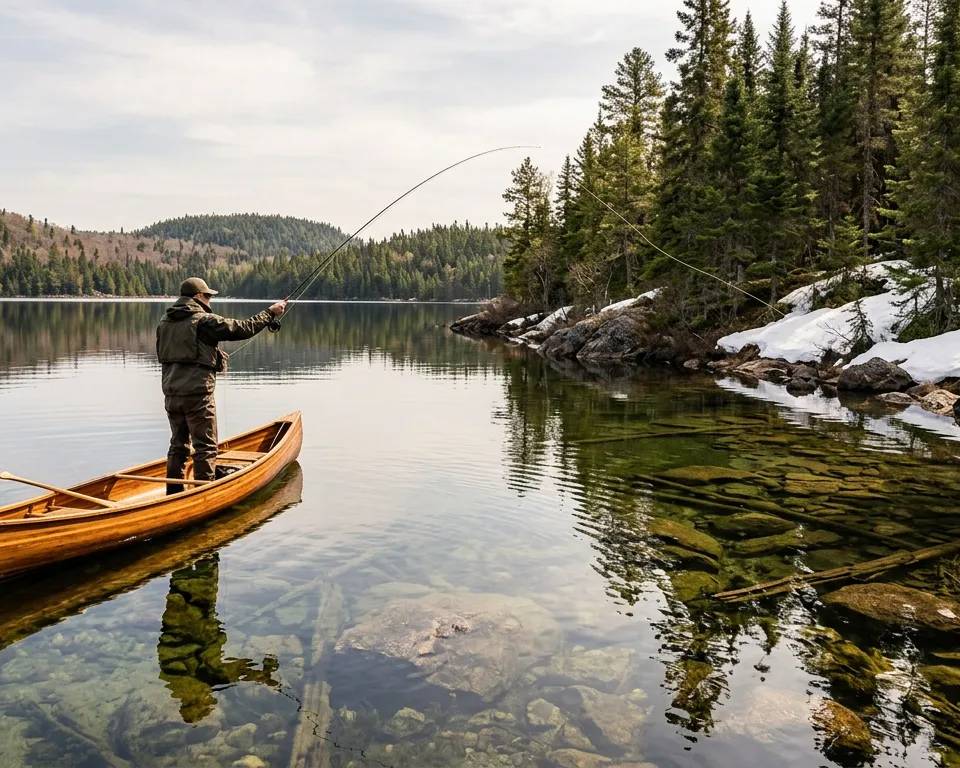
The short window immediately following ice-out provides some of the most exciting surface action for wild speckled trout. In remote headwater systems, often reachable only by floatplane, the frigid, oxygen-rich water brings trophy-sized brookies right to the shoreline. Understanding how to map these high-altitude lakes and selecting the right dry flies is the key to a successful early-season adventure.
Identifying Productive Early-Season Water
When the ice first recedes on northern lakes, the water column is in transition. To find active speckled trout, you must locate thermal pockets where the biology is waking up.
- North-shore bays. These areas receive the maximum amount of daily sunlight, warming the shallows just enough to trigger early insect activity.
- Inlet stream mouths. Runoff often carries nutrients and slightly warmer water from surrounding hillsides, creating natural feeding stations for hungry trout.
- Dark bottom structures. Silt or rock beds that absorb solar radiation will hold more heat than sandy bottoms, attracting both baitfish and insects.
Dry Fly Patterns for Cold Water Success
Early season hatches can be unpredictable, but trout at this time are opportunistic. You don't need a complex inventory; instead, focus on high-visibility patterns that mimic a broad range of early emergers.
- The Elk Hair Caddis. Its buoyancy and distinct profile make it a top choice for skating across the surface to grab a trout's attention.
- Parachute Adams. The white post is easy to track in the low light of a northern spring, and its grey body is a perfect match for early-season midges.
- High-Vis Attractors. The Royal Wulff or Humpy remain legendary for their ability to pull wild fish from the depths through sheer curiosity and aggression.
Stealth and Presentation Tactics
On remote lakes, the water is typically gin-clear. Even though these fish have seen few, if any, anglers, they are highly sensitive to surface disturbance and shadows. Use a long leader (9 to 12 feet) to keep your fly line away from the target zone.
Cast toward structure or cruising lanes and let the fly sit until the rings disappear. A "dead drift" approach on still water is often more effective than constant twitching. When you do move the fly, keep it subtle—a tiny vibration of the rod tip is often all it takes to convince a lurking trout to strike.
Choosing the Right Outfitter Experience
Booking a fly-in trip for ice-out requires staying in close contact with your outfitter, as timing is everything. Canadian outfitters specializing in remote headwaters can provide real-time updates on ice conditions and water levels.
When selecting an outfitter, look for those who manage exclusive rights to high-altitude lakes, ensuring you are fishing undisturbed populations. Many outfitters provide detailed topographical maps of their lakes, allowing you to plan your approach before even stepping onto the floatplane. Always ask about the recent hatches to ensure your fly box is tuned for the specific region.
Frequently asked questions
When is the best time for dry fly fishing after ice-out?
The ideal window is usually two to three weeks after the ice fully recedes, as surface water temperatures begin to reach 50°F (10°C).
Do large trout really rise to the surface this early in the season?
Yes, because the surface layers warm up first and activate aquatic life, drawing large spawning-sized trout toward the shallow banks.
What fly line weight is recommended for these remote lakes?
A 4 or 5-weight line is perfect, offering enough delicacy for stealthy presentations while still handling the frequent spring winds.
Should I use small-sized flies?
Not necessarily. Sizes 12 to 14 are often more effective at grabbing a fish's attention in waters ruffled by spring breezes.
How do I know if the ice is out before I leave?
Maintain direct contact with your outfitter; they often use aerial surveys or satellite imagery to confirm when the lakes are accessible.