Fishing
Brook trout: choosing lakes and techniques at an outfitter
Brook trout need cold water, oxygen and a quiet approach. Here is how to read an outfitter lake, which techniques to use and when to book.
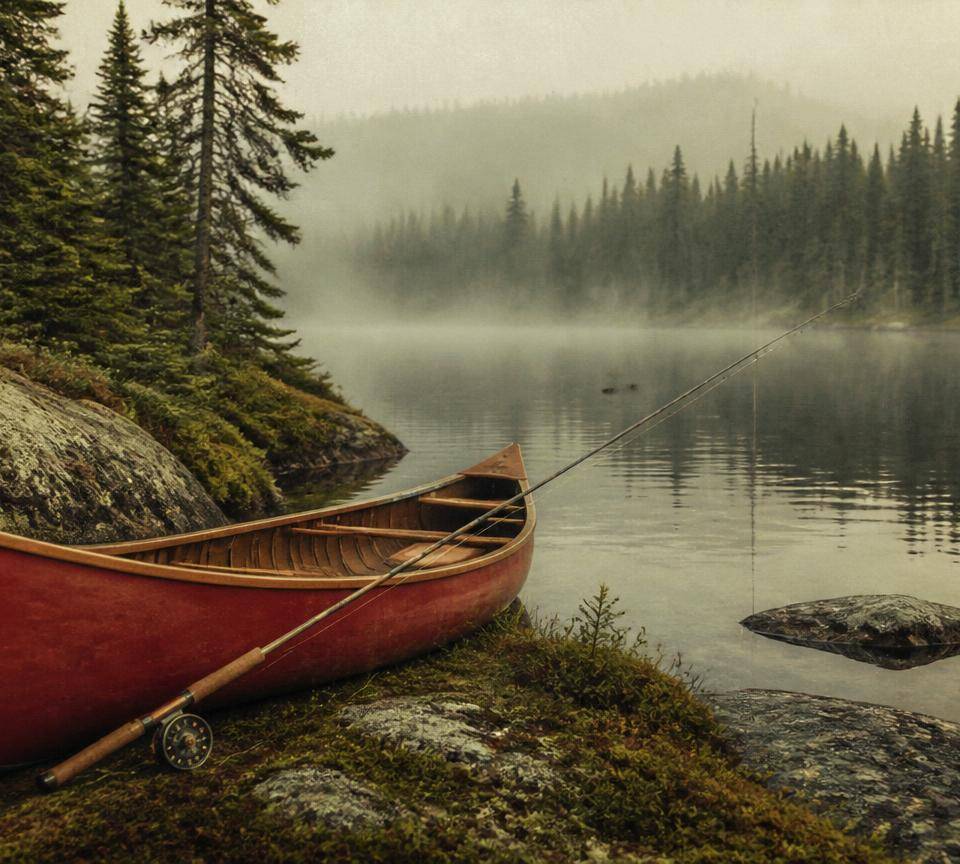
Brook trout are the signature species of multi-lake outfitters. They do not forgive shortcuts: they need cold water, oxygen and a quiet approach. On a well-managed territory, though, they deliver memorable days a few metres from the dock.
What a good brook trout lake has
- Cold, oxygenated water. Brook trout thrive between 10 and 16 °C. A deep lake fed by springs or a creek holds that window all summer.
- Few or no competing species. Lakes without perch or suckers produce more and bigger trout.
- Serious management. Documented stocking, per-lake quotas and lake rotation are the signs of an outfitter thinking long term.
Multi-lake outfitters often assign you one lake per day. That is a rare luxury: you fish alone, without pressure, and the water rests between stays.
Techniques that work
Light trolling. The simplest method from a boat. A small spinner rig tipped with a worm, or a 2 to 5 g spoon, moving slowly along shorelines and over breaks.
Fly fishing. Dry flies in the evening when trout are rising, nymphs the rest of the time. A 4 or 5 weight rod, a floating line and a few dark patterns (Woolly Bugger, Hare's Ear) cover most days.
Light casting. Ultralight rod, 6 lb mono, small spoons and 3 to 5 cm minnow baits. Excellent for covering a bay or an inflow quickly.
On the bottom. Early in the season and during hot spells, trout go down. Vertical fishing with a worm or a small jig near the thermocline saves many August afternoons.
Reading an unknown lake in 30 minutes
1. Run the shoreline and find creek mouths: the coldest, best-oxygenated water on the lake. 2. Note deadfall and weed beds, where brook trout hold to hunt. 3. Find the first break. A portable sonar — or even a weighted line — is enough to locate the 2 to 5 metre transition. 4. Start in shaded water, early in the morning or late in the day.
When to book
Seasons usually open in late April or May depending on the province, and the stretch from ice-out to mid-June is the most productive. July and August require fishing deeper or earlier. In September, where fishing is still allowed, trout come in heavily coloured ahead of the spawn.
Book early: brook trout outfitters often run a limited number of cabins and the same families have been returning for decades.
Stealth and conservation
Brook trout see and hear everything. Cut the motor before approaching a shoal, avoid bright colours in clear water and move slowly. For the resource, respect per-lake quotas — often stricter than the provincial limit — and handle released fish in the water rather than in the bottom of the boat.
The typical stay
A wooden cabin, one lake a day, a boat with a motor and, for many families, a stove to cook the noon catch. Confirm whether your package includes the American plan (meals at the lodge), access to several lakes and boating safety equipment.
Ready to pick a territory? Browse brook trout outfitters or all fishing outfitters in Quebec to compare packages, cabins and available lakes.
Frequently asked questions
What water temperature do brook trout prefer?
Between 10 and 16 °C. Above 20 °C they seek cold springs, creek mouths, or drop below the thermocline.
What is a multi-lake outfitter?
A territory with several lakes that often assigns one lake per day to each group, limiting fishing pressure and allowing lake rotation.
What is the best brook trout technique at an outfitter?
Light trolling with a spinner rig and worm, or a small spoon, is the most versatile. With a fly rod, a nymph during the day and a dry fly in the evening both work well.
When is trout fishing most productive?
From opening day in late April or May through mid-June. In July and August, fish deeper or at first and last light.
Is brook trout fishing suitable with children?
Yes, it is one of the most accessible fisheries: small lakes, short runs and action close to shore. Many outfitters offer family packages with a boat and child-sized life jackets.