Hunting
Woodland Caribou Hunting in Newfoundland and Labrador: Complete Guide
Discover how to plan a successful woodland caribou hunt in Newfoundland and Labrador: prime habitats, spot-and-stalk tactics, essential gear, and regulations.
Key takeaways
- The woodland caribou hunting season runs primarily from early September through late October.
- Open bogs, rocky barrens, and dense tuckamore stands form the preferred habitat of the island's herds.
- The most effective strategy relies on long-range glassing followed by a stealthy spot-and-stalk approach into the wind.
- Non-resident hunters must book through a licensed outfitter to secure a licence and hunt legally.
- Strong physical endurance is essential for navigating spongy muskeg and packing out game across long distances.
Identifying Woodland Caribou in Newfoundland and Labrador
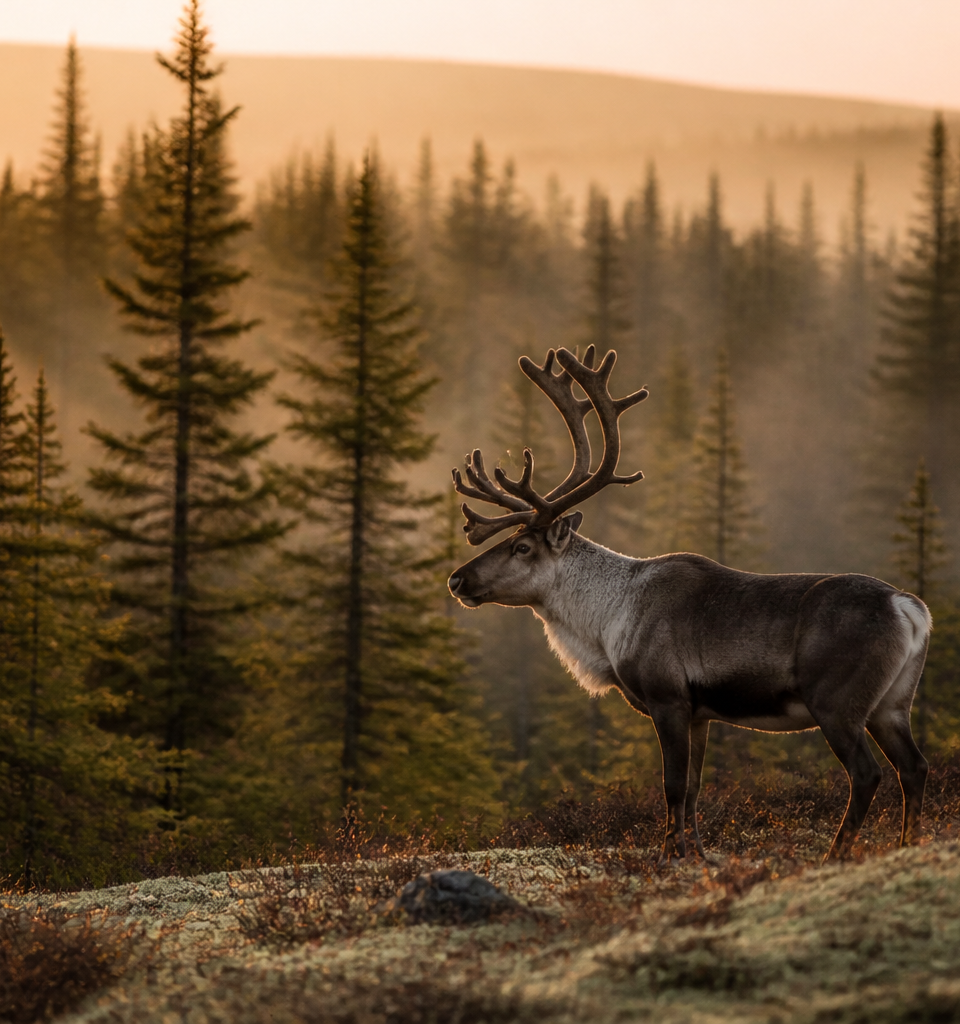
The woodland caribou found on the island of Newfoundland stands out for its stocky build and impressive, compact antlers. This magnificent ungulate sports a distinctive fall coat, blending deep brown across the body with a heavy, whitish mane around the neck and chest. Broad, concave hooves act as natural snowshoes over soft ground, allowing caribou to move effortlessly across deep snow and soggy peat bogs alike.
Mature stags carry heavy antlers featuring prominent forward-facing brow tines, commonly known as shovels. Unlike other members of the deer family, female caribou also grow antlers, though theirs are noticeably smaller and more spindly than those of dominant trophy stags. Identifying a mature bull requires carefully assessing antler mass, point count, and the structure of the frontal shovels.
What Habitats Do Caribou Prefer in Newfoundland and Labrador?
Caribou favor the wide-open expanses of alpine tundra, windswept ridges, and high-elevation bogs across the island of Newfoundland. These open landscapes, locally referred to as barrens, provide excellent visibility for herds along with abundant ground lichens, mosses, and dwarf shrubs. Iconic regions like the Gaff Topsails and the interior plateaus perfectly represent this unique ecosystem.
Bordering these open barrens, caribou frequently use tuckamore—dense, stunted balsam fir and spruce forests shaped by relentless coastal winds. These thick thickets serve as windbreaks during fall storms and offer secure cover from predators. Animals move back and forth between open feeding bogs and timber edges throughout the day.
Fall Caribou Behavior and Rutting Season
The caribou rut begins in late September and peaks during the first two weeks of October. During this window, mature solitary stags leave their summer ranges to join female groups and assemble harems. Bulls become far more active, rub the velvet from their antlers against low shrubs, and aggressively defend their breeding territory against rivals.
While Newfoundland's island herds do not embark on the multi-thousand-kilometre migrations seen in barren-ground caribou of the Far North, they still make defined seasonal shifts. Herds move off exposed high ridges into sheltered valleys once early frosts harden the ground. Daily movements depend heavily on local weather conditions and prevailing coastal wind directions.
When to Hunt Caribou in Newfoundland and Labrador?
The prime window for harvesting a mature stag falls between mid-September and mid-October, when antlers are hard-horned and the rut is in full swing. Early in September, milder weather makes hiking across the barrens easier, though bachelor bulls may still hold in remote, hard-to-reach pockets.
October brings harsher conditions—morning frosts, coastal gales, and mixed precipitation—but breeding activity reaches its peak. Animals stay on the move throughout the day, significantly increasing glassing opportunities. Hunting during overcast and breezy weather often yields the best results, as caribou feed actively without bedding down to escape heat.
Spotting Caribou on Tundra Barrens
Locating caribou successfully requires setting up on high vantage points and methodically glassing the landscape with premium optics. Herds often appear as pale dots contrasting against the copper and gold hues of the autumn tundra. The white mane of a mature bull serves as a reliable visual marker from several kilometres away.
Once a group is spotted, take time to study herd composition before moving in. Check whether a dominant stag controls the group or if satellite bulls are cruising the perimeter. Tracking the direction the cows are moving helps hunters anticipate the herd's path and plan a practical interception route through rolling terrain.
Effective Stalking Techniques for Caribou
The most effective approach is classic spot-and-stalk hunting, moving in on game after pinpointing its position from a high vantage point. Proper physical preparation and realistic expectations: are you ready for your hunt? are essential for covering miles of uneven muskeg without wearing out. Wind direction is the deciding factor: caribou possess an acute sense of smell and will bolt at the slightest hint of human scent.
The final approach often requires crawling between knolls and utilizing terrain folds or tuckamore patches to break up your silhouette. In wide-open barrens, patience pays off. If the herd is feeding steadily, setting up an ambush along their travel line is often far more reliable than pushing an aggressive stalk that risks alerting watchful cows.
What Gear Do You Need for Caribou Hunting?
Gear selection starts with a dependable, breathable, and fully waterproof layering system built for volatile maritime weather. Sturdy, waterproof hunting boots paired with durable gaiters are indispensable for walking through saturated bogs. To prepare your packing list, read our breakdown on hunting gear: what the outfitter provides vs what you bring.
For rifle selection, flat-shooting, versatile calibres like the .270 Winchester, .30-06 Springfield, or .300 Winchester Magnum are well-suited for ethical shots typically ranging between 150 and 300 yards. Quality 10x42 binoculars, an accurate laser rangefinder, and a spotting scope on a lightweight tripod round out the essential field kit.
Regulations for Caribou Hunting in Newfoundland and Labrador
Provincial wildlife regulations require all non-resident hunters to be accompanied by a licensed guide and to purchase their licence through an accredited outfitter. Tag allocations are strictly managed by caribou management zone to ensure sustainable harvest levels. For a complete look at non-resident licensing rules, check our guide to licences and draws: guide to hunting outside your home province.
Hunter orange is required by law to maintain safety in the field. Every harvested animal must be tagged immediately before moving the carcass. To review specific zone boundaries and seasonal quotas, visit the official Government of Newfoundland and Labrador website. Regulations change annually: always verify official rules before planning your trip.
Sustainable Management and Island Caribou Conservation
Newfoundland's woodland caribou population is carefully monitored by provincial wildlife biologists to maintain balanced herd numbers. Following past population declines driven largely by calf predation from black bears and coyotes, several key herds have shown encouraging stability.
Hunters directly support these conservation initiatives through licence fees and by submitting biological samples following the harvest. Selective harvest practices help maintain healthy buck-to-doe ratios while preserving the genetic vitality of island herds within their native ecosystems.
Planning a Guided Caribou Hunting Trip
A successful hunt begins with selecting the right backcountry camp, which is often accessed via floatplane or specialized off-road vehicle. Top hunting outfitters in Newfoundland and Labrador deliver full-service packages that include wilderness lodging, hearty meals, professional guiding, and in-field meat care.
Because non-resident woodland caribou tags are limited and in high demand globally, booking at least one year ahead is strongly advised. Discuss your fitness level and trophy expectations with your outfitter ahead of time to make the most of every day on the barrens.
To find reputable operators and plan your dream woodland caribou hunt in Eastern Canada, browse verified listings on MyOutfitters.
Frequently asked questions
When does the caribou hunting season open in Newfoundland?
The woodland caribou hunting season in Newfoundland generally opens in early September and closes in late October. The peak hunting window falls between late September and mid-October, matching the peak of the rut when mature stags have clean, hard antlers.
Do non-residents need a guide to hunt caribou in Newfoundland?
Yes, all non-resident hunters must book through a licensed outfitter and hunt with a certified guide. This legal requirement supports backcountry safety, ethical harvest standards, and fair tag distribution across designated management zones.
Where are the best caribou hunting areas in Newfoundland?
The highest concentrations of woodland caribou inhabit the central and southern plateaus of Newfoundland, including Middle Ridge, Buchans, and the Gaff Topsails. These open tundra barrens provide the abundant lichen forage the herds rely on.
What is the best rifle calibre for woodland caribou hunting?
Flat-shooting calibres such as the .30-06 Springfield, .270 Winchester, 7mm Remington Magnum, and .300 Winchester Magnum are ideal for caribou. They deliver the accuracy and downrange energy required for clean, ethical shots across 150 to 300 yards in open country.
How should hunters dress for caribou hunting on the tundra?
A breathable layering system featuring merino wool base layers and high-grade windproof, waterproof outerwear is essential for maritime tundra conditions. Reliable waterproof boots combined with tall gaiters keep feet dry through soggy muskeg and wet bogs.
What is the bag limit for caribou in Newfoundland?
The bag limit is strictly one caribou per licensed hunter per season. The carcass tag provided with the licence must be securely attached to the animal immediately after the harvest and prior to transport.
Can you hunt caribou in Labrador right now?
No, sport hunting for migratory caribou in Labrador is currently closed to protect the George River herd. All non-resident recreational hunting opportunities take place on the island of Newfoundland, home to the non-migratory woodland caribou.
How physically demanding is a Newfoundland caribou hunt?
Caribou hunting in Newfoundland is moderately to highly demanding due to uneven, spongy peat bogs and dense tuckamore. Hunters should be prepared to hike between 5 and 15 kilometres per day in wet, windy conditions.
Is blaze orange required when hunting caribou in Newfoundland?
Yes, provincial law mandates wearing hunter orange clothing or headwear that is visible from all angles during big game firearm seasons. This regulation ensures high visibility and safety across open barrens and timber edges.
How should caribou meat be handled and transported after the hunt?
Caribou meat should be quartered in the field, hung in clean, breathable cotton game bags, and brought back to camp for prompt cooling. Outfitters assist hunters with vacuum sealing meat and preparing capes and antlers for air or ground transport home.