Hunting
Caribou Hunting in Canada: What to Know Before You Book
Discover where and how to hunt caribou in Canada: herd types, remote tundra logistics, hunting regulations, and expert tips to plan your expedition.
Key takeaways
- Caribou hunting remains open across select remote northern wilderness areas and along the Atlantic coast.
- Several major tundra and boreal forest herds are under strict harvest bans to support population recovery.
- Non-residents must generally book through a licensed outfitter and hunt with a certified guide to access hunting areas.
- Expeditions almost always require bush plane flights into remote, rustic tundra camps.
- Top physical conditioning is essential for hiking across spongy tundra terrain and packing out heavy quarters.
Where can you still hunt caribou in Canada?
Caribou hunting in Canada is concentrated in remote northern wilderness, the Arctic tundra, and select island regions along the Atlantic coast. These untamed areas sustain harvestable numbers thanks to extremely low human densities and strict management plans. Expeditions into these northern frontiers offer quintessential big game adventures where vast terrain sets the pace of every hunt.
Across the Arctic and subarctic, herds roam over thousands of square kilometres untouched by road access. Hunters reach these remote grounds from isolated northern settlements that serve as fly-in hubs. Along the Atlantic coast, select island herds of woodland caribou offer a different hunting environment, combining coastal peat bogs, dense boreal woods, and rocky barrens. Because wildlife rules vary across jurisdictions, always confirm current regulations with official wildlife authorities before booking.
Why are many caribou herds protected?
Steep declines in several migratory herds led to full closures or severe tag cutbacks across the country. Caribou populations naturally fluctuate over multi-decade cycles, but recent environmental pressures have intensified these declines. Boreal habitat disruption, climate shifts that alter snowpack and winter forage, and heightened predation by wolves and bears have left multiple herds in vulnerable states.
Wildlife biologists and local communities monitor herd numbers through satellite telemetry and regular aerial surveys. When a herd drops below critical management thresholds, wildlife managers suspend sport hunting to prioritize local subsistence and species recovery. As a result, open hunting destinations are limited and tightly managed, making early booking essential to secure available tags each year.
What types of caribou can you hunt in Canada?
Canada is home to distinct caribou ecotypes defined by their size, social behavior, and primary habitat. Barren-ground caribou rule the vast Arctic plains. They gather in large migratory bands and grow towering antlers with long, sweeping beams. Hunting them is an open-country spot-and-stalk pursuit across wind-swept horizons.
In rugged western ranges, mountain caribou inhabit high alpine ridges and rocky plateaus. As the largest and heaviest Canadian caribou, they sport darker coats and heavy, mass-rich antlers. Hunting them mirrors a sheep or goat hunt, demanding steep ascents on foot or horseback. On the eastern seaboard, island woodland caribou are stockier with dense, heavily palmated antlers. Knowing these differences helps you choose an expedition that matches your trophy goals and hunting style.
Non-resident caribou hunting regulations and requirements
Non-resident hunters pursuing caribou in Canada are required by law to hunt with a licensed outfitter and certified guides. This rule protects hunter safety in unforgiving wilderness and ensures strict adherence to harvest quotas. Outfitters hold exclusive operating rights or dedicated tag allocations across expansive public lands, which prevents overhunting.
Tag allocation rules vary by region. Some jurisdictions use annual lotteries, while others assign quotas directly to licensed outfitters. For a clear breakdown of the process, read our tag draws and non-resident licensing guide. Keep in mind that firearm import declarations and export permits for game meat and antlers must be arranged well in advance to prevent border delays.
Bush plane logistics and northern travel
A remote caribou hunt depends on air logistics powered by bush planes. The trip typically starts with a commercial flight to a regional northern hub, followed by a charter flight on a bush plane equipped with tundra tires or floats for lake landings. Arctic weather—dense fog, high winds, and early snowstorms—can cause flight delays that every hunter must build into their schedule.
Strict gear weight limits apply to bush flights for flight safety. You must pack smart, keeping your gear compact while leaving room and payload capacity for quarters, capes, and antlers on the return flight. To plan your gear properly, check out our guide on bush plane hunting logistics: mastering remote transport. Coordinating with your outfitter for proper field care and meat handling prevents spoilage during remote delays.
Best season and physical fitness requirements
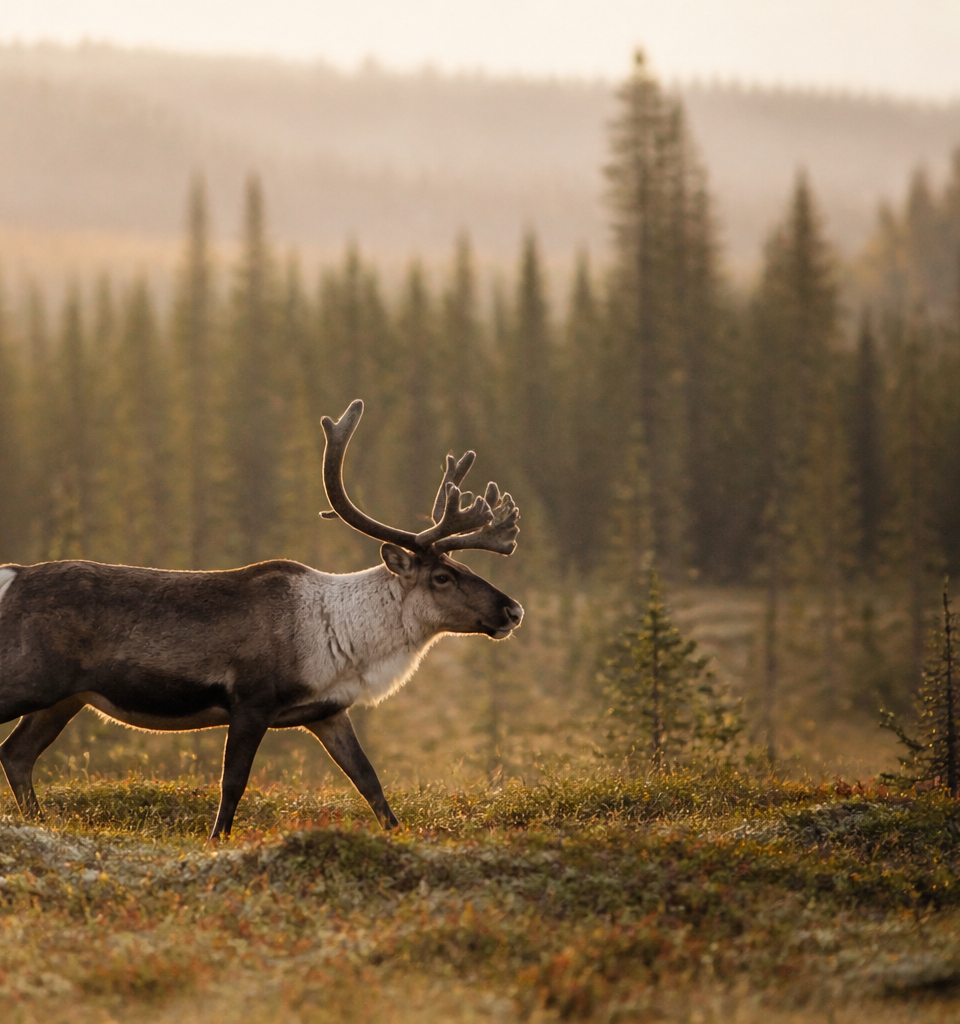
The prime window for caribou hunting runs from mid-August through late September, when bulls finish antler growth and transition to their fall coats. In late August, bulls carry velvet-covered antlers that they strip by early September, showing off polished dark brown racks. During this window, the tundra foliage shifts into striking crimson and gold under crisp overnight frosts.
Physically, the tundra is exceptionally demanding. Walking on spongy moss hummocks, loose boulder fields, and wet muskeg requires steady balance and leg drive. Hunters often hike over ten kilometres daily with a loaded pack while glassing for distant herds. To test your conditioning before you go, read our article on physical preparation and realistic expectations: are you hunt-ready?. Solid cardio training and strong ankles are essential for a safe and rewarding hunt.
How to choose the right caribou outfitter
Selecting the right outfitter is critical for a safe, successful hunt in remote northern terrain. Review the outfitter's guiding experience, the condition of their spike camps, meal quality in remote settings, and emergency communication protocols via satellite devices. Established outfitters operate with full transparency regarding their field logistics.
Before signing a contract, ask detailed questions about meat care, trophy transport, and contingency plans for weather delays. Review our resource on 10 questions to ask an outfitter before booking your hunt to guide your vetting process. Always ask for recent client references who hunted during varying weather conditions.
To find the northern adventure that fits your goals, explore our dedicated platform. Use our directory to find an outfitter in Canada on MyOutfitters and connect directly with experienced operators ready to guide you into the great north.
Frequently asked questions
Where can you still hunt caribou in Canada today?
Caribou hunting is currently open in remote northern territories, the Arctic tundra, and select island areas along the Atlantic coast. Most herds in central and eastern mainland boreal forests are closed to sport hunting to support conservation. Hunting regulations vary across jurisdictions, so always verify rules with local wildlife agencies.
Do you need a guide to hunt caribou in Canada?
Yes. Non-resident hunters must book through a licensed outfitter and hunt with certified guides across almost all Canadian caribou destinations. This mandatory requirement ensures hunter safety in remote wilderness and enforces harvest allocations. Only eligible local residents may hunt unguided under strict conditions.
What is the best time of year to hunt caribou?
The peak season runs from mid-August to late September. In late summer, caribou strip their velvet to display hard antlers. By September, their autumn coats showcase distinctive white manes, while frosty nights keep biting insects down and turn the tundra into vibrant fall colours.
What rifle and caliber should you use for caribou?
Flat-shooting, versatile calibers such as .300 Win Mag, .30-06 Springfield, 7mm Rem Mag, and .270 Winchester work well for caribou. Because shots across open tundra often range from 150 to 300 metres in windy conditions, choose high-weight-retention bullets and pair your rifle with a rugged, waterproof scope.
Is caribou hunting physically demanding?
Yes. Caribou hunting demands high cardiovascular and muscular endurance. Walking on tundra feels like hiking across a soft mattress covered with hidden rocks and wet bog holes, putting heavy stress on ankles and knees. Hunters routinely cover long distances carrying optical gear, day packs, and heavy meat loads.
How does bush plane transport work on an outfitted hunt?
Bush planes on floats or tundra tires transport hunters directly to gravel airstrips or remote lakes. Arctic weather dictates all flight schedules, and strict baggage weight restrictions apply. Outfitters manage plane rotations to fly in hunters and gear and fly out harvested meat and antlers.
Can you bring caribou meat home after your hunt?
Yes. Caribou meat can be brought home when handled and stored properly. Hunters must obtain wildlife export permits from their outfitter or local wildlife conservation officers. Airlines accept frozen meat packed in leakproof coolers that meet standard checked-baggage weight limits.
Why are caribou hunts relatively expensive?
The cost reflects the complex logistics of operating in fly-in wilderness. Aviation fuel, bush plane maintenance, freighting supplies into roadless tundra camps, and employing skilled northern guides drive operational costs. Limited tag allocations also contribute to the premium nature of these expeditions.