Fishing
Forget the Downrigger: When BC Coho Salmon Come to the Surface
Learn how to target aggressive British Columbia Coho salmon on the surface using casting or fly gear for a thrilling, visual alternative to deep trolling.
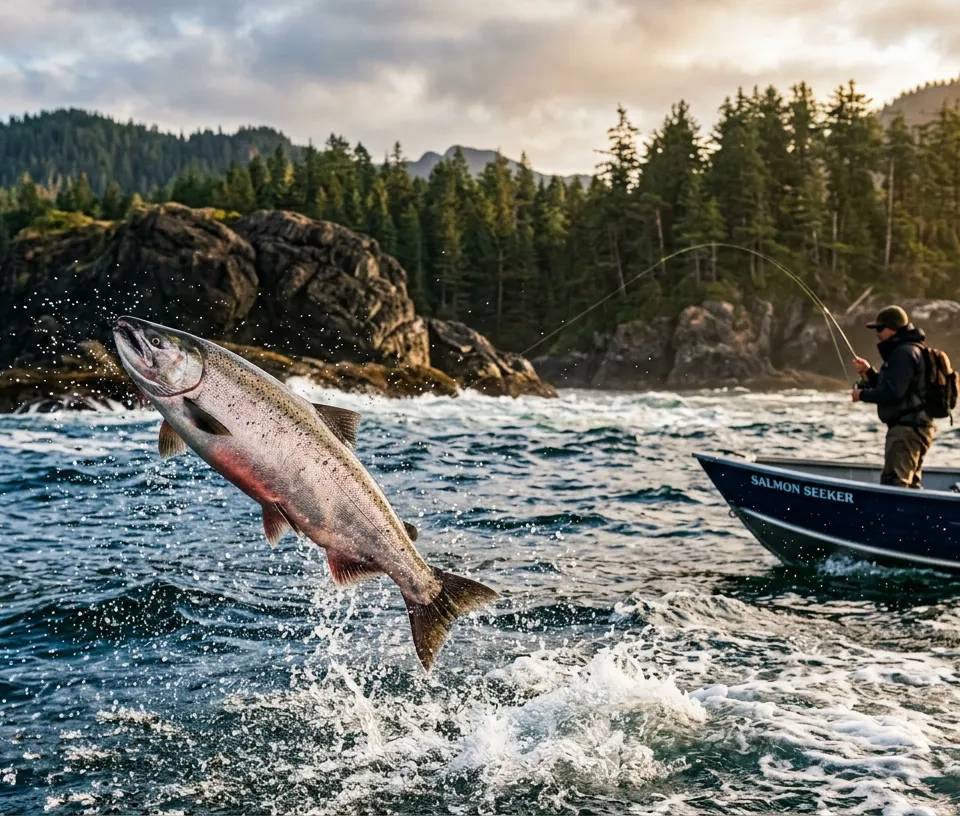
While most salmon fishing in British Columbia involves heavy lead and deep-water downriggers, the Coho salmon—often called the Silver—offers a thrilling alternative for those willing to look up. These fish are notorious for their surface-oriented feeding habits and aggressive strikes. By targeting Coho in the top ten feet of the water column, anglers can experience a visual and highly active form of fishing that resembles a hunt more than a waiting game.
Why Coho Hunt the Surface
Unlike their deeper-dwelling cousins, Coho are opportunistic predators that follow baitfish schools right to the surface. When tidal currents pin herring or sand lance against rocky points or reef edges, Coho move in for the kill. Outfitters across the Sunshine Coast and Vancouver Island note that when water temperatures are optimal, Coho become incredibly bold, often slashing at anything that creates a disturbance on the surface. This behavior makes them the perfect candidate for casting rods and fly gear.
Identifying High-Activity Zones
Success without a downrigger requires a keen eye for environmental cues. You aren't looking for marks on a sonar; you are looking for life on the horizon.
- Tide Rips and Kelp Beds. Coho often patrol the edges of kelp forests or the turbulent water where two currents meet. These areas trap bait and offer the salmon an easy meal.
- Surface Activity. Look for "boils" or shimmering water. This is often the bait attempting to escape Coho feeding from below.
- Low Light Windows. The first two hours of daylight are prime for surface action, as the lack of direct sun allows the salmon to move high in the water column without feeling exposed.
Casting Gear and Fly Tactics
Switching to casting gear allows for a much more tactile connection to the fish. A medium-power spinning outfit with a high-speed retrieve reel is ideal. Heavy spoons or weighted jigs can be cast long distances and retrieved with a jerking motion to mimic a panicked baitfish. For fly fishers, an 8-weight rod with a floating line and a long leader is the standard. Surface flies, such as poppers or streamers with erratic movement, can trigger explosive strikes that you simply won't see when fishing deep.
The Thrill of the Wake
one of the most localized techniques in BC is "bucktailing." This involves trolling a fly right in the prop wash or just behind the boat's wake at high speeds. The goal is to keep the fly skipping across the surface. Watching a silver flash emerge from the swell to hammer a skipping fly is one of the most exciting sights in West Coast angling. It requires constant attention and quick reflexes, turning a standard boat ride into an interactive fishing session.
Planning Your Surface Salmon Adventure
When booking an outfitter, it is vital to communicate your preference for light tackle or fly fishing. Not all guides are equipped for surface tactics, as many default to traditional trolling methods. Look for lodges located near migratory bottlenecks or those that specialize in "structure fishing" around islands and reefs. Booking between August and late September ensures you are hitting the peak of the Coho run when the fish are at their largest and most aggressive.
Frequently asked questions
What is the best time for surface Coho fishing?
The peak window is usually from late July through September. During this time, the fish are feeding heavily before entering their spawning rivers and are most likely to be found near the surface.
Should I bring my own fly fishing gear?
Many specialized outfitters provide high-quality gear, but if you prefer your own, an 8 or 9-weight rod with a saltwater-ready reel is recommended. Always check with your outfitter first to ensure they can accommodate fly casting on their boats.
Is surface fishing as effective as deep trolling?
While trolling can cover more area, surface fishing is highly effective when Coho are actively feeding on bait schools. It is often more productive for 'active' fish and provides a much more engaging experience for the angler.
Which lure colors work best?
Bright colors like 'bubblegum' pink, fluorescent orange, and chartreuse are classic Coho favorites. Silver and blue combinations also work well to mimic the natural look of herring and sand lance.
Do I need a special license for British Columbia?
Yes, you need a British Columbia Tidal Waters Sport Fishing License. You must also purchase a Salmon Conservation Stamp if you intend to keep any salmon, subject to local regulations.