Fishing
The Perfect BC Salmon and Halibut Day: A Dual-Species Guide
Maximize your British Columbia fishing trip by targeting Chinook salmon at dawn and Pacific halibut at the tide change on the same day.
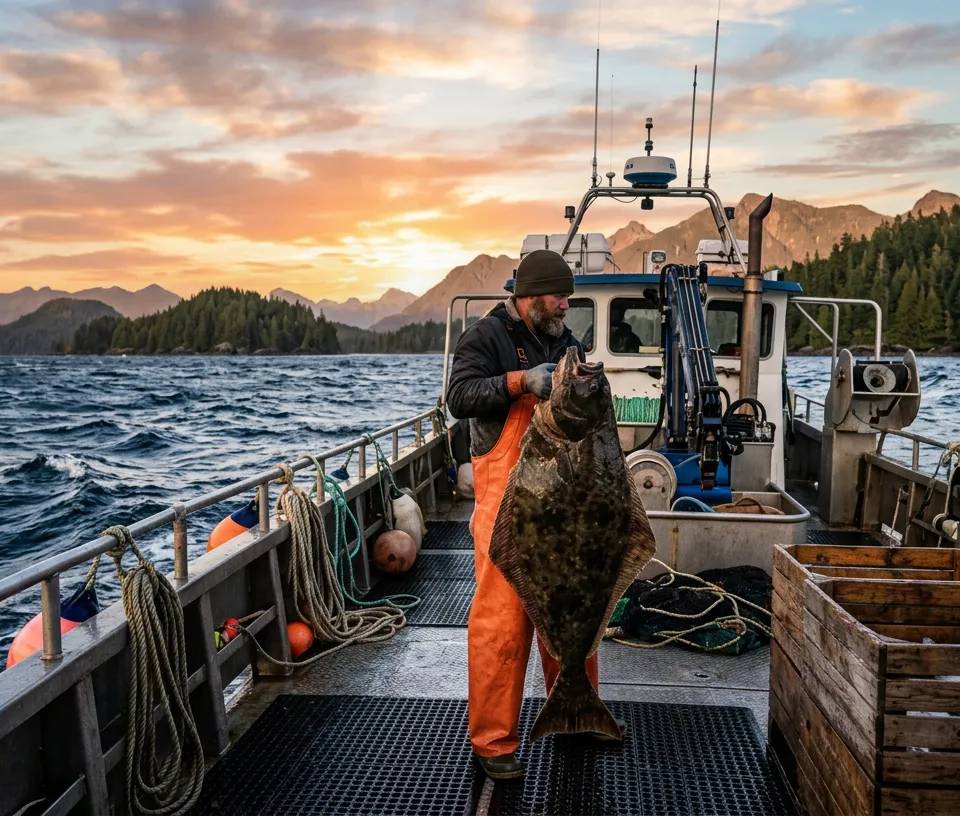
British Columbia offers a premier angling experience where catching a trophy Chinook salmon and a massive Pacific halibut in a single day is a realistic goal. Achieving this double-header requires precise timing, a deep understanding of tidal movements, and quick access to diverse marine habitats. This guide focuses on how to plan your day to capitalize on the unique geography of the BC coast.
Prime Locations for Success
Success starts with proximity. You need locations where salmon migration routes overlap with deep-water halibut banks. The West Coast of Vancouver Island, specifically Ucluelet and Port Alberni, provides quick access to the open ocean. Haida Gwaii and the Central Coast are also top-tier choices, as the continental shelf sits very close to the shoreline. These areas minimize travel time, allowing you to spend more hours with your lines in the water.
The Morning Salmon Rush
The standard strategy begins at first light. Chinook salmon are most aggressive during the dawn hours when they hunt baitfish along rocky points and kelp lines. Trolling with downriggers is the preferred method, targeting depths where the water temperature is optimal. By securing your salmon limits early, you gain the flexibility to head offshore to the halibut grounds as the midday sun rises and the salmon bite slows down.
Mastering the Halibut Tide
Halibut fishing is dictated by the tides rather than the time of day. These powerful flatfish inhabit deep underwater plateaus, and effectively targeting them requires a "slack tide"—the brief window when the water stops moving between high and low tide.
- Vertical Presentation: During heavy currents, it is nearly impossible to keep bait on the bottom. Slack tide allows for a vertical line, essential for feeling the subtle take of a large halibut.
- Scent Trails: In calmer water, using large baits like octopus or salmon heads creates a concentrated scent trail that draws fish from a distance.
- Anchoring vs. Drifting: Depending on the sea state, your guide will decide whether to anchor over a specific gravel bed or drift across a known transition zone.
Regulations and Practicalities
Retention rules for Pacific halibut are strictly managed to ensure sustainability. Limits often include a maximum length for daily catches and a specific annual limit for larger fish. Always ensure your tidal water fishing license is up to date with the required salmon stamp. Your outfitter will handle the measurement and logging of your catch, ensuring compliance with federal fisheries regulations.
Booking Your Expedition
A professional outfitter provides the heavy-duty gear, safety equipment, and local knowledge needed for a successful dual-species day. When selecting a lodge or charter, ask about their ability to process your catch. Most coastal outfitters offer professional filleting, vacuum sealing, and flash-freezing services so you can transport your haul home in peak condition. It is recommended to book well in advance for peak summer months when salmon runs and halibut seasons overlap perfectly.
Frequently asked questions
When is the best time for a salmon and halibut combo?
The ideal window is from mid-June to late August, when Chinook salmon migrations peak and the halibut season is in full swing.
Do I need different gear for both species?
Yes, salmon are caught by trolling with flexible rods, while halibut require short, stiff rods capable of pulling heavy weights from great depths.
Can you fish for halibut all day?
It is possible, but efficiency drops drastically outside of slack tide periods. It is more productive to target salmon when the current is running strong.
What is the average size of a halibut in BC?
Average sport catches weigh between 15 and 60 pounds, though specimens exceeding 100 pounds are regularly caught, depending on annual size limits.
Is offshore fishing safe for a beginner?
Yes, as long as you are with a certified guide. West Coast waters can be rough, but outfitters use sturdy, safe vessels designed for these conditions.