Fishing
American or European plan: how to choose your fishing package
Understand stay plans, inclusions, hidden extras and the real cost of a fishing package before you book.
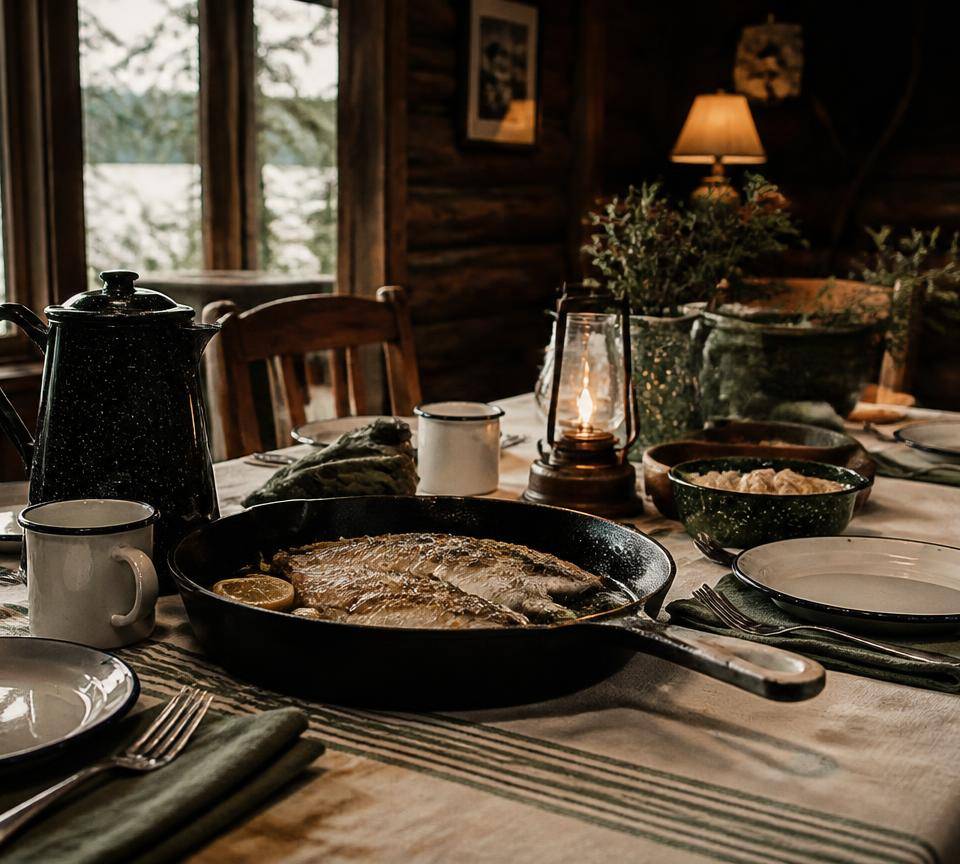
Two packages listed at the same price can mean completely different trips. Understanding outfitter vocabulary is the best way to avoid surprises — and to pay for what actually matters to you.
The three stay plans
American plan (AP). Everything is included: lodging, three meals a day at the lodge, often the boat and a guide. You cook nothing and plan nothing. It is the choice of friend groups and anglers who want maximum time on the water.
European plan (EP). Self-catering cabin, equipped kitchen, no meals included. You buy groceries and set your own schedule. Best value for families and longer stays.
Modified plan (MP). A compromise: breakfast and dinner at the lodge, lunch on the lake. Popular at multi-lake outfitters.
What to check line by line
Before confirming, list the real inclusions:
- boat, motor, fuel and safety equipment;
- guide (per day or for the stay);
- lake access, quotas and daily permits;
- bedding, towels, firewood;
- ice, fish cleaning and packaging;
- taxes and service fees.
The most common extras are fuel, fish cleaning, additional nights and pets. A serious outfitter lists these openly.
Calculating the true cost per person
Take the package price, divide by the number of anglers, then add:
1. the provincial licence; 2. road fuel and boat fuel; 3. meals not included; 4. taxes and service fees; 5. the guide's gratuity, if applicable.
A cabin for four on the European plan often works out 30 to 40 % cheaper per person than the American plan — but you spend two hours a day on meals and dishes. Decide what is worth more: the money or the time on the water.
Occupancy, length and season
Most packages are built on a minimum occupancy (often 2 to 4 people) and a fixed length: 3 days / 2 nights, 5 days / 4 nights, or Saturday-to-Saturday weeks. Outside peak periods, short stays are easier to negotiate. High-season rates almost always match the most productive window: May-June for trout, June-July for walleye.
A guide: luxury or necessity?
On a big lake you do not know, one guided day at the start of the trip is probably the best investment available: you leave with the zones, depths and presentations that work. On a small exclusive lake, the map handed to you on arrival is usually enough.
Questions to ask before paying
- What is the cancellation policy and what deposit is required?
- Is the lake exclusive to the outfitter's guests?
- How many boats are on the water at the same time?
- Is there cell service, electricity, drinking water?
- Is the access road passable with a regular car?
Note that on MyOutfitters.ca some rates stay hidden until the outfitter confirms them. You can always send a price request: it goes straight to the property.
To compare offers, browse fishing outfitters in Quebec and use the comparison tool to line up packages, distances and amenities side by side.
Frequently asked questions
What does American plan mean at an outfitter?
The American plan includes lodging and three daily meals at the lodge, often with a boat and sometimes a guide.
What is the difference between European and modified plans?
The European plan includes no meals: you cook in the cabin. The modified plan usually includes breakfast and dinner at the lodge, but not lunch.
What extras should I expect with a fishing package?
The provincial licence, boat fuel, fish cleaning, taxes and service fees, and sometimes pets or additional nights.
Is hiring a guide worth it?
On a large unfamiliar body of water, yes: a single guided day gives you the zones, depths and presentations that work for the rest of the stay.
Why are some prices hidden on listings?
Rates stay hidden until the outfitter confirms them. You can send a price request, which goes straight to the property.