Fishing
Lake Trout / Charr Fishing in Yukon: Guide to Northern Giants
Discover proven tactics for targeting trophy lake trout / charr in Yukon: pristine subarctic waters, prime seasons, effective techniques, and expert advice.
Key takeaways
- The prime season runs from ice-out in June through early autumn in September under the midnight sun.
- Lake trout / charr inhabit deep basins, rocky points, and shallow bays across Yukon's expansive subarctic lakes.
- Deep trolling with heavy spoons and vertical jigging with soft plastics remain the most productive cold-water techniques.
- A valid Yukon sport fishing licence with a conservation or trophy endorsement is required before casting a line.
- Single barbless hooks are essential to support fast, safe catch-and-release of these slow-growing fish.
Identifying lake trout / charr on the water
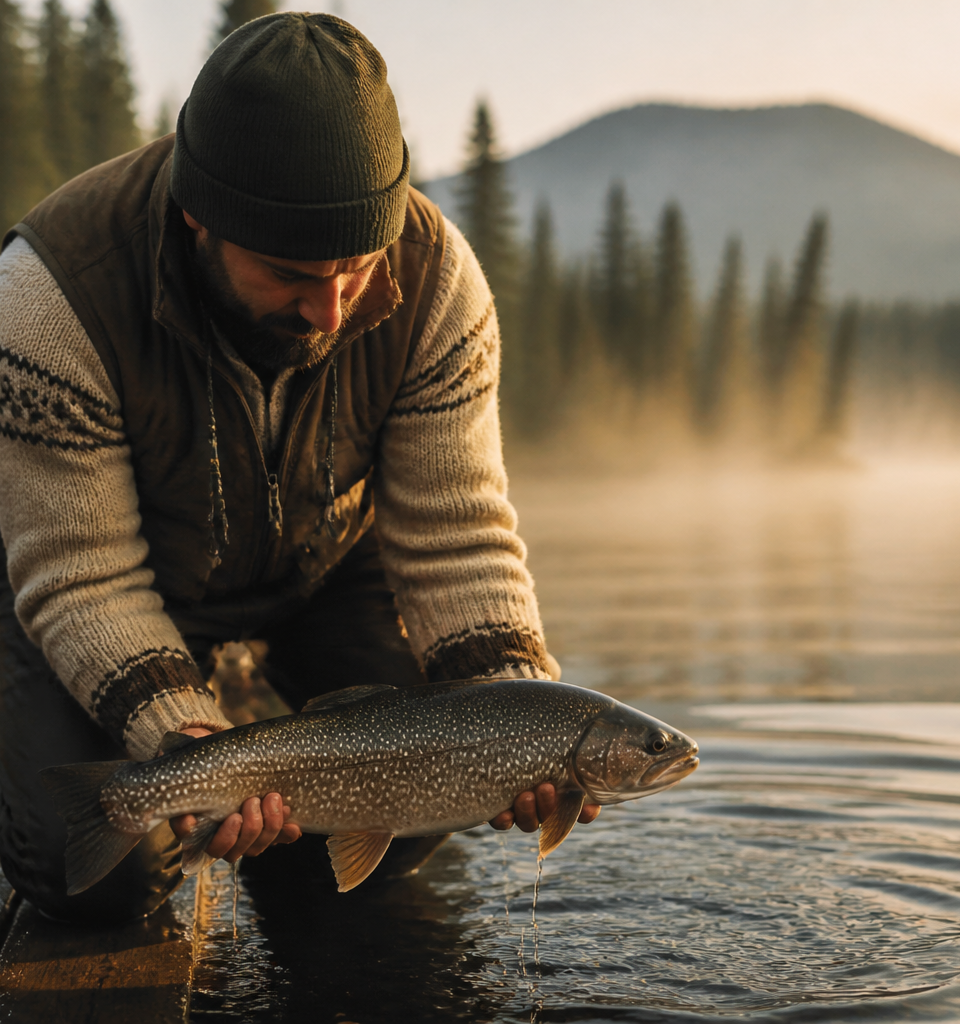
Lake trout / charr (*Salvelinus namaycush*) is easily recognized by its robust, torpedo-shaped body, deeply forked tail, and pale spots scattered across a dark background. Unlike brook trout or Arctic char that display vivid colors or bright halos, lake trout exhibit tones ranging from olive green to slate grey, perfectly adapted to the deep waters of the Canadian North. The lower fins often feature a subtle white leading edge, without the bright orange accents seen on other char species.
In the cold, oxygen-rich waters of the Far North, this species develops impressive muscle mass to hunt pelagic prey like lake whitefish and lake cisco. Anglers used to southern fisheries are often struck by the build of Yukon fish, which sport massive heads and powerful jaws lined with sharp teeth. Much like on a Lake trout fishing in the Northwest Territories: freshwater giants expedition, trophy specimens regularly surpass the twenty- to thirty-pound mark.
Distinguishing this apex predator from other territorial salmonids is straightforward. Yukon waters also hold Arctic grayling and cutthroat trout, but lake trout lack the large, colorful dorsal fin of grayling and the distinct red slashes under the lower jaw of cutthroat. Their thick skin and protective slime layer provide essential insulation in aquatic environments where water temperatures rarely exceed ten degrees Celsius.
Where does lake trout / charr live in Yukon?
Lake trout / charr are distributed across nearly every major watershed in the territory, from southern glacial waters to remote Arctic drainages. Renowned destinations like Kluane Lake, Teslin Lake, Tagish Lake, Lake Laberge, and Bennett Lake offer vast depths and crystalline clarity where this species sits firmly atop the food chain. Major tributaries and connecting river systems also sustain healthy resident populations.
These oligotrophic lakes feature low nutrient levels, which limits overall biomass but ensures exceptional water clarity and dissolved oxygen throughout the water column. Lake trout utilize drop-offs exceeding one hundred metres, sheer underwater walls, and submerged reefs to hunt away from the intense summer light. In sheltered bays, weed beds form productive transition zones where anglers also enjoy Pike fishing in Yukon: ultimate wilderness guide.
Accessibility varies from road-accessible lakes along the Alaska Highway to remote fly-in destinations reached by floatplane. This rugged geography shields populations from heavy angling pressure, allowing fish to reach advanced ages and trophy sizes in ecosystems that have remained undisturbed since the last glacial retreat.
Seasonal behavior of northern lake trout / charr
Yukon lake trout behavior is driven by lake thermal stratification and the extreme photoperiod of the subarctic summer. Right after ice-out in June, surface water remains cold, hovering between four and eight degrees Celsius. During this spring turnover period, fish leave the deep holes to roam shallow flats, points, and river mouths in search of forage after the long winter freeze.
As summer progresses and air temperatures rise under the midnight sun, a thermocline establishes itself across larger lakes. While less pronounced than in southern regions, this stratification pushes mature fish into deeper basins, typically between fifteen and forty metres. This pattern mirrors what anglers encounter during Lake trout fishing in Nunavut: ultimate guide to Arctic giants, where fish continually track water around their preferred ten-degree mark.
By late August and September, falling surface temperatures and shortening daylight trigger pre-spawn movements. Adult fish migrate toward rocky shoals, wind-swept reefs, and gravel shorelines exposed to current. Their territorial aggression increases noticeably, creating outstanding opportunities in shallow water before freeze-up arrives.
When to catch lake trout / charr in Yukon?
Mid-June through mid-September provides the most consistent fishing for lake trout / charr, with peak activity occurring at the start and end of the open-water season. Early in the summer, extended twilight under the midnight sun provides long feeding windows as predators push baitfish toward the surface.
Weather conditions strongly influence northern angling success. Cool, overcast days paired with a steady breeze that chops the surface are typically far more productive than flat-calm, sunny afternoons. Wind concentrates plankton and baitfish against windward shorelines and reefs, drawing active trout onto shallower shelves.
During rare midsummer warm spells when surface layers heat up, topwater action slows down, requiring anglers to target deep structure. Conversely, approaching weather fronts and falling barometric pressure ahead of autumn storms often spark intense feeding binges among the largest specimens.
Locating lake trout / charr on large lakes
Pinpointing lake trout / charr requires focusing on prominent submerged structure such as extended rocky points, underwater humps, and current-swept narrows. These structural elements create ambush points where trout intercept migrating whitefish without expending unnecessary energy. A reliable marine sonar unit helps locate bait schools and mark distinct arches holding close to bottom contours.
River mouths and lake outlets are productive transition zones, particularly during spring and late summer. The steady influx of cool water, drifting insects, and juvenile fish draws forage species, which quickly attracts cruising trout. Watching for diving birds can also reveal schools of baitfish being pushed toward the surface by feeding packs below.
During midsummer, when fish hold over open water, methodically working deep structure along steep drop-offs produces the most consistent results. Navigating these immense lakes requires patience and water-reading skills, whether you explore on your own or head out with Yukon fishing outfitters who know every reef and channel.
Best techniques for targeting lake trout / charr
Trolling and vertical jigging are the cornerstones of open-water lake trout fishing in the Yukon. Trolling allows you to cover vast expanses of water while presenting heavy spoons, deep-diving minnow baits, or large streamer flies at specific depths. Downriggers, lead-core lines, and heavy three-way rigs keep presentations running cleanly in the target strike zone.
Vertical jigging delivers thrilling, hands-on action once fish are located on sonar. Positioning the boat directly over deep structure and dropping heavy jig heads rigged with large soft-plastic swimbaits, metal spoons, or white tube jigs (six to ten inches) produces aggressive strikes. Sharp upward snaps followed by controlled falls on a semi-slack line trigger reflexive bites from suspended and bottom-hugging fish.
Fly anglers will find exceptional opportunities during early and late season windows. Casting fast-sinking lines paired with large baitfish streamers imitating whitefish or sculpins along shallow reefs and shorelines produces explosive takes on light tackle.
What gear to choose for lake trout / charr?
A medium-heavy to heavy casting or spinning rod between seven and eight feet in length provides the right blend of sensitivity and backbone for subarctic lake trout. The blank should feature a fast tip to drive home hooksets in deep water, backed by substantial lifting power in the lower section to turn hard-charging fish away from bottom structure.
A durable reel with a smooth, multi-disc drag system and spool capacity for at least two hundred metres of thirty- to fifty-pound braided line is recommended. Tie on a six- to ten-foot leader of twenty- to thirty-pound fluorocarbon to resist abrasion against sharp rocks and maintain an invisible presentation in gin-clear water.
Proven lures include heavy casting and trolling spoons from two to four ounces in silver, blue, pearl, or copper finishes. Large jointed stickbaits and oversized tube jigs are essential additions to the tackle box. Fly fishers should pack a 9- or 10-weight rod with a large-arbor reel and strong backing to handle large streamers and long runs.
Lake trout / charr fishing regulations in Yukon
Sport fishing in Yukon is managed through regulations designed to protect sensitive native salmonid populations. Anglers must hold a valid Yukon sport fishing licence, along with any necessary endorsements for conservation waters or designated trophy management zones depending on the lake. Possession and catch limits are conservative, and many large lakes enforce maximum size limits requiring the mandatory release of large mature spawners.
Single barbless hooks are mandatory across most waters throughout the territory to minimize handling injury. The use of live fish bait or imported dead bait is strictly prohibited to prevent the introduction of aquatic invasive species and pathogens into pristine northern waters.
Detailed regulations, specific waterbody exceptions, and licensing details are available through the Government of Yukon. Regulations change annually: always verify specific limits and local conditions with regional authorities before heading out on the water.
Conservation issues for northern lake trout / charr
Cold water temperatures and limited biological productivity mean Yukon lake trout / charr grow very slowly. A twenty-pound specimen can easily be thirty to forty years old. This extended lifespan is paired with late sexual maturity, often reached only after ten to fifteen years, making populations highly sensitive to overharvest.
As apex predators, lake trout maintain balance across northern aquatic food webs by regulating populations of whitefish, cisco, and suckers. Removing large breeding adults disrupts the size structure and genetics of local populations, which can take decades to recover in these cold, slow-growing environments.
Practicing proper catch-and-release is vital for safeguarding these world-class fisheries. Keep fight times short, handle fish only with wet hands in the water, support their weight horizontally for any quick photograph, and revive them thoroughly before release.
Planning a lake trout / charr expedition in Yukon
Organizing a fishing trip to Yukon requires careful planning around remote logistics and unpredictable weather. Booking a guided outfitter trip provides valuable safety and local knowledge on large, open waters where wind and conditions can shift rapidly. Wilderness lodges offer comfortable base camps while delivering direct access to world-class fishing grounds.
Pack high-performance layered clothing suited to wide temperature swings, including quality thermal base layers, a windproof and waterproof outer shell, and sturdy waterproof footwear. Even during midsummer, mornings on the water can be chilly near glacier-fed waters. Polarized sunglasses are essential for spotting subsurface structure and reducing glare off the water.
Whether you are planning a self-guided cabin stay along the highway network or a fly-in lodge adventure to an isolated Arctic lake, proper preparation ensures a rewarding northern fishing experience.
Frequently asked questions
When to catch lake trout / charr in Yukon?
The best period runs from mid-June to mid-September. Right after ice-out, trout cruise shallow bays and shorelines near the surface. By late August and September, cooling water brings fish back onto shallow rocky reefs for their pre-spawn period.
Where can you find the biggest lake trout / charr in Yukon?
Trophy-sized fish are predominantly found in large, deep lakes like Kluane, Teslin, Tagish, and Laberge. These massive subarctic waterbodies support abundant lake whitefish populations, allowing trout to regularly exceed twenty to thirty pounds.
Do you need a special licence for lake trout / charr in Yukon?
Anglers require a valid Yukon sport fishing licence, along with applicable endorsements for conservation waters or designated trophy lakes. Licences can be purchased online or through local vendors and require adherence to specific size and possession limits.
What is the most effective technique for Yukon lake trout / charr?
Deep trolling with heavy spoons and vertical jigging with large soft plastics are the top methods during the summer. In early spring and autumn, casting spoons or fishing large streamers on fly gear in shallow water can be equally productive.
Which lures work best for lake trout / charr in Yukon?
Two- to four-ounce trolling spoons in silver, blue, and pearl are staples. Large white tube jigs, swimbaits on heavy jig heads, and deep-diving minnow plugs are also highly effective for triggering strikes around deep structure.
What rod power is recommended for lake trout / charr?
A seven- to eight-foot medium-heavy to heavy rod with a fast action provides the necessary power to set hooks in deep water and fight heavy fish. Pair it with a sturdy reel spooled with 30- to 50-pound braid and a fluorocarbon leader.
How old do lake trout / charr get in northern waters?
In Yukon's cold lakes, lake trout can live more than forty years due to their slow metabolic rate. A thirty-pound trophy has often taken several decades to reach that size, underscoring the importance of careful catch-and-release.
Are barbless hooks mandatory in Yukon?
Yes, single barbless hooks are mandatory across the vast majority of lakes and streams in Yukon. This regulation helps minimize injury, speeds up hook removal, and improves post-release survival rates.
Can you fly fish for lake trout / charr in Yukon?
Yes, fly fishing is very effective in June and September when fish hold in shallow water under five metres deep. Using a 9- or 10-weight rod with sinking lines and large baitfish patterns produces aggressive strikes near the surface.
Why book an outfitter for fishing in Yukon?
An outfitter provides secure access to remote waters, dependable marine equipment, and the local navigation experience needed on large subarctic lakes where weather changes quickly.