Fishing
Brook Trout Fishing in Nova Scotia: Complete Guide
Discover the secrets of Brook trout fishing in Nova Scotia: coastal habitats, sea-run brookies, proven tactics, and trip planning.
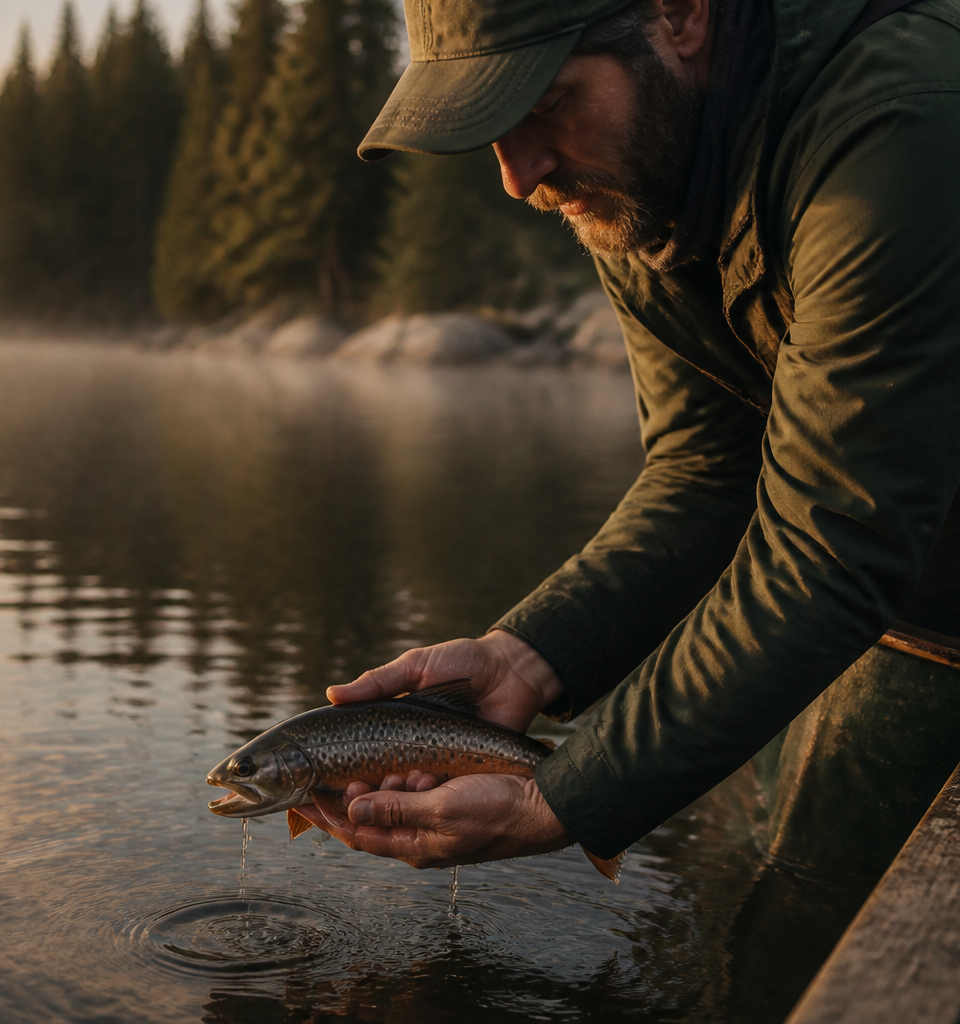
Key takeaways
- The spring opening from April through June provides the most productive window for river and estuary fishing.
- Coastal streams, cool holding pools, and Cape Breton lakes support vigorous resident and sea-run populations.
- Fly fishing with baitfish streamers and light spin casting with small metallic lures account for the majority of catches.
- A provincial non-resident recreational fishing licence is mandatory for inland waters and designated tidal sections.
- Monitor water temperatures closely as summer progresses to locate the coldwater thermal refuges vital to fish survival.
Identifying Brook trout and sea-run forms
Brook trout stand out with their olive-green vermiculated backs, flanks dotted with red spots encircled by blue halos, and clean white leading edges along the lower fins. Scientifically known as *Salvelinus fontinalis*, this iconic Eastern Canadian char displays brilliant coloration in landlocked fresh water, with spawning males developing fiery copper-orange bellies in the fall.
In coastal watersheds, the species takes on a striking anadromous form, commonly called sea-run brook trout or "salters." Feeding in nutrient-rich estuaries, these fish develop a bright chrome sheen that temporarily masks their characteristic markings, along with a deep, muscular build reflecting rapid marine growth.
Upon returning to freshwater rivers after weeks of feeding at sea, anadromous Brook trout gradually regain their classic colours while retaining exceptional fighting power. Distinguishing resident fish from migratory runs helps anglers understand feeding behaviour and tailor presentations to the water being fished.
Where do Brook trout live in Nova Scotia?
Brook trout inhabit watersheds across both mainland Nova Scotia and Cape Breton Island, from small woodland headwaters to large tidal estuaries. Cape Breton Island is a standout destination, renowned for legendary rivers, rich estuaries, and tributary networks flowing into the Bras d'Or Lake that provide exceptionally well-oxygenated water.
On the mainland, river systems such as the Shubenacadie, Musquodoboit, St. Marys, and the Annapolis Valley offer diverse aquatic structure. Much like what anglers encounter on a Brook Trout Fishing in New Brunswick: Complete Guide trip, the proximity of the Atlantic Ocean creates dynamic migratory corridors where trout move freely between fresh and brackish water.
Acidic soils and mixed forests across the province often produce dark, tannin-stained waters. In these amber currents, brookies seek out spots where moving water delivers a steady supply of food: gravel riffles, pool tails, undercut banks, and the mouths of cold feeder streams.
Brook trout behaviour and seasonal runs
Brook trout behaviour is shaped by water temperature, forage availability, and reproductive cycles. As winter breaks, resident fish move out of deep lake basins to feed actively on shallow flats warmed by the spring sun, while anadromous trout drop down into estuaries to feast on grass shrimp, sand lance, and smelt.
In late spring and early summer, a major upstream run brings sea-run trout back into freshwater systems. Migrators push upriver on rising tides and fresh spates of rain, resting in deep holding pools during the heat of the day before resuming their journey in the evening.
Autumn brings the spawning season, when mature adults gather over clean, current-swept gravel beds. Territorial aggression peaks among males, making them highly responsive to visual triggers before they drop back into secure overwintering pools.
When to fish for Brook trout in Nova Scotia?
May and June represent the prime season for targeting Brook trout in both rivers and estuaries. During this spring window, mayfly and caddis hatches are at their peak, and the arrival of sea-run fish coincides with ideal water temperatures ranging between 10°C and 16°C.
The early season in April also offers solid opportunities, especially in lakes and ponds where shallow shorelines warm up first. Fish are hungry after winter and react aggressively to slow presentations fished near bottom. Anglers who have experienced Brook Trout Fishing in Quebec: Tips and Techniques will recognize this characteristic Eastern Canadian spring energy.
Midsummer demands a more refined approach as river levels drop and water warms. Focusing on early morning and late evening bite windows is essential, as is timing trips after rainstorms that re-oxygenate rivers and spark feeding activity in deep holding water.
Locating Brook trout in Nova Scotia waters
Finding Brook trout comes down to locating the intersection of current, physical cover, and cold water. In coastal rivers, tidal heads and brackish estuaries are the premier staging zones for intercepting migratory fish pushing inland on the flood tide.
In classic river systems, reading the water is key: look for current seams behind large boulders, undercut grassy banks, log jams, and shaded pools. Brook trout frequently hold along depth transitions where they can intercept drifting insects with minimal effort.
On lakes, target wind-blown rocky points, emerging weedbeds, and cold upwellings. A canoe or small boat allows you to systematically work sheltered bays and drop-offs where trout cruise in search of nymphs, leeches, and baitfish.
Effective strategies to catch Brook trout
Fly fishing remains the most versatile and celebrated method for targeting Nova Scotia Brook trout. Fishing streamers that imitate coastal baitfish—such as the Muddler Minnow, Woolly Bugger, or localized smelt patterns—draws aggressive strikes from estuary sea-run fish.
During river hatches, classic dry flies like the Adams, Elk Hair Caddis, and deer-hair attractors trigger clean surface takes. Nymphing with an indicator along primary current seams is deadly when fish hold tight to rocky bottoms.
For spin anglers, small gold or silver inline spinners, spoons, and suspending minnow plugs cover water efficiently. A twitch-and-pause retrieve mimics an injured baitfish and reliably provokes strikes from larger, territorial trout.
Selecting the right Brook trout fishing gear
A 9-foot, 5-weight or 6-weight fly rod is the ideal setup for handling the province's diverse waters. This outfit delivers enough backbone to punch through coastal Atlantic winds while retaining the delicate touch needed for smaller streams.
Pair your rod with a reliable disc-drag reel loaded with a weight-forward floating line, and carry sinking-tip leaders to reach deep river runs. For spin fishing, a 6- to 7-foot ultralight to light-action rod paired with a 1000-to-2000 size reel spooled with 4- to 8-pound monofilament or fluorocarbon provides excellent control with small lures.
Quality breathable waders and wading boots are indispensable for navigating rocky riverbeds and slippery gravel bars. A soft rubber landing net is also essential for landing and handling fish without damaging their protective slime layer.
Brook trout fishing regulations in Nova Scotia
Inland sportfishing in Nova Scotia is governed by specific season dates, daily bag and possession limits, and distinct recreational fishing areas across the province. Non-residents must purchase a valid provincial recreational fishing licence before wetting a line in freshwater.
Several rivers and river sections across Cape Breton and the mainland carry special management rules, such as mandatory single barbless hooks or artificial-fly-only restrictions. Catch-and-release is mandatory on select conservation waters to protect mature spawning stock.
For complete details, season dates, and boundary maps for special management areas, consult the official publications of the Government of Nova Scotia. Regulations change annually: always verify retention limits, opening dates, and special management zones with provincial authorities before heading out on the water.
Ecological role and Brook trout conservation
Brook trout serve as a vital bioindicator species whose health directly reflects watershed purity and thermal stability. Vulnerable to siltation on spawning beds, rising water temperatures, and habitat fragmentation, they rely on intact forest canopies to keep streams cold and clean.
Across Atlantic Canada, as seen when targeting Brook Trout Fishing in Newfoundland and Labrador, wild stocks benefit from dedicated community watershed groups working on gravel restoration, fish passage improvements, and riparian protection.
Practising careful catch-and-release ensures the long-term sustainability of this fishery. Keeping fight times short, handling fish in the water, and pinching hook barbs help preserve a prized native sportfish that remains a cornerstone of Nova Scotia angling heritage.
Planning a Brook trout fishing trip
Hiring a local guide or booking with a dedicated outfitter turns a good fishing trip into an unforgettable Maritime adventure. Professional guides provide intimate knowledge of tidal movements, river levels, and hidden pools that visiting anglers would otherwise miss.
To secure prime dates, plan your trip several months in advance, targeting the spring sea-run migration or early summer dry-fly hatches. Ask outfitters about lodging packages, boat access, and guided wading on productive local waters.
To discover top destinations and book your next trip, explore the vetted options available through Nova Scotia fishing outfitters. The team at MyOutfitters is ready to help you plan a customized angling getaway tailored to your preferences and passion for the outdoors.
Frequently asked questions
When does Brook trout season open in Nova Scotia?
The general freshwater Brook trout season opens on April 1 across most provincial management areas. The most productive river and estuary fishing takes place from mid-May through late June, when water temperatures reach ideal feeding ranges.
Where can you catch sea-run Brook trout in Nova Scotia?
Sea-run Brook trout are found primarily in coastal estuaries and rivers on Cape Breton Island, along the Eastern Shore, and in streams draining into the Northumberland Strait. Tidal pools and river mouths are top spots on a rising tide.
Do I need a licence to fish for Brook trout in Nova Scotia?
Yes, all non-resident anglers aged 16 and older require a valid provincial general fishing licence for non-tidal inland waters. Licences can be purchased online or through authorized local vendors and must be carried while fishing.
What are the best flies for Nova Scotia Brook trout?
Streamers like the black or olive Woolly Bugger, Muddler Minnow, and localized smelt imitations are top producers for sea-run and river trout. For surface feeding, classic dry flies such as the Adams and Elk Hair Caddis are consistent staples.
What spin fishing gear is best for Brook trout?
A 6- to 6.5-foot ultralight or light-action spinning rod paired with a 1000-to-2000 series reel and 4- to 6-pound monofilament or fluorocarbon line is ideal for casting 1/16- to 1/4-ounce spoons and inline spinners.
Are barbless hooks mandatory in Nova Scotia?
Barbless hooks are not mandatory across all waters, but they are strictly required in designated Special Management Areas, fly-fishing-only stretches, and catch-and-release sections. Pinching your barbs is recommended everywhere to ensure clean releases.
Can you ice fish for Brook trout in Nova Scotia?
Winter fishing for Brook trout is permitted only on specific lakes designated by the provincial government for winter angling. Most wild trout rivers and natural lakes remain closed during the winter to protect overwintering fish.
What is the average size of a Brook trout in Nova Scotia?
Resident Brook trout in inland streams and lakes typically range from 20 to 30 centimetres (8 to 12 inches). Sea-run fish feeding in estuaries often exceed 40 centimetres (16 inches) and can weigh over two kilograms.
How do tides affect estuary Brook trout fishing?
Rising tides carry sea-run brookies into coastal estuaries and lower river pools to feed. The two hours leading up to high tide and the high-slack water period generally produce the most concentrated feeding activity.
Why hire a fishing guide in Nova Scotia?
A local guide understands precise tidal timing, river access points, and productive fly patterns for amber-coloured waters. Their local knowledge saves valuable time and maximizes your opportunities on productive holding water.