Fishing
Brook Trout Fishing in Alberta: Complete Guide
Discover the secrets of Brook trout fishing in Alberta. Explore Rocky Mountain foothills streams, proven fly techniques, seasons, and expert advice for a successful trip.
Key takeaways
- The prime season runs from late spring through autumn, when foothills streams drop and clear up after runoff.
- The species thrives in cold Rocky Mountain foothills creeks as well as numerous stocked lakes across central Alberta.
- Fly fishing with nymphs and dry flies delivers exceptional results in clear Alberta currents.
- Anglers aged sixteen and older must hold a valid provincial sportfishing licence and follow specific watershed regulations.
- Stealthy bank approaches are essential to avoid spooking wary fish holding in crystal-clear pools.
Identifying Brook trout on your fishing trips
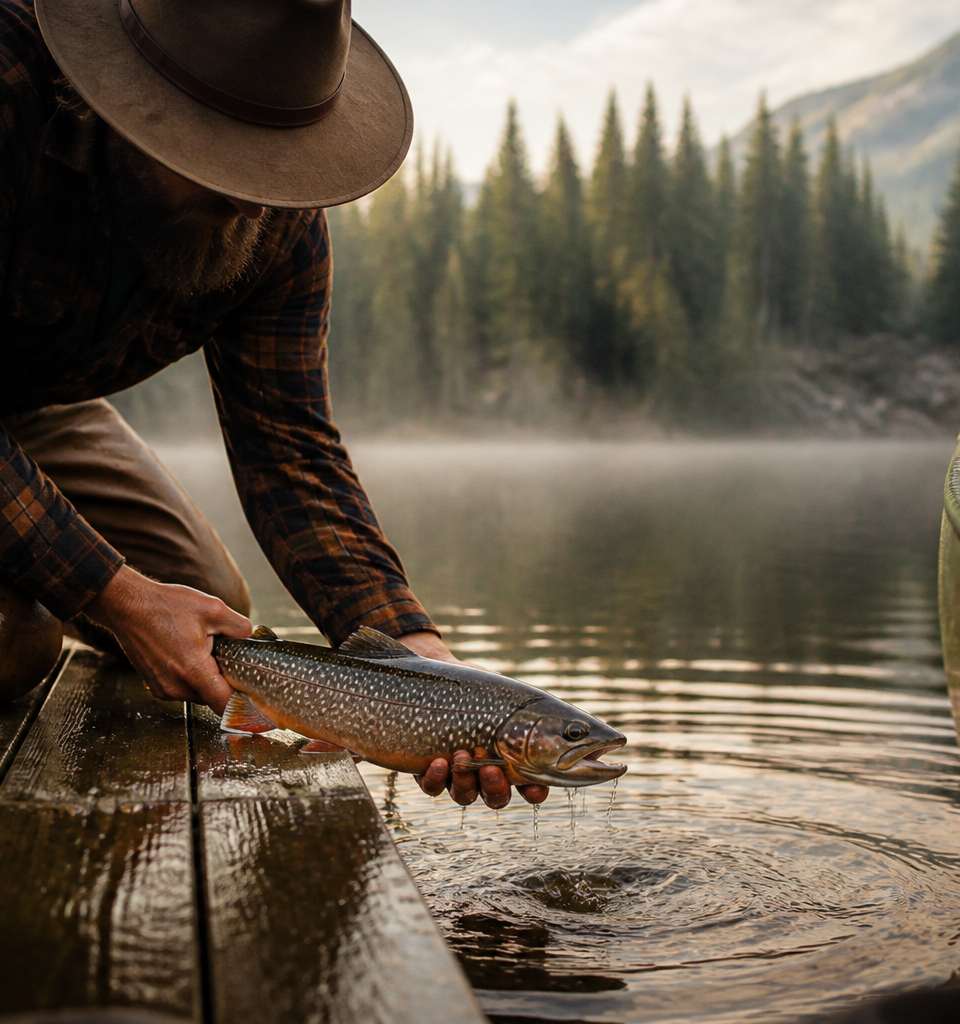
Brook trout stand out easily from other salmonids thanks to their dark body patterned with light spots and vibrant red dots circled by blue halos. Also known as speckled trout or squaretail, this char features distinctive worm-like markings, called vermiculations, across its back and dorsal fin. The lower fins display a striking white leading edge backed by a sharp black stripe, allowing instant differentiation from rainbow or cutthroat trout.
During the fall spawn, males develop fiery orange and deep red bellies that make their identification unmistakable. Their streamlined, muscular profile is perfectly built for navigating swift Alberta river currents. Unlike true trout, which have dark spots on a light background, char exhibit light markings on a darker body—a hallmark of the genus *Salvelinus*.
While introduced to Western Canadian waters in the late nineteenth century, Brook trout established thriving, self-sustaining wild populations. Close inspection of the fins and mouth helps prevent confusing them with bull trout, a protected native char that frequently shares the same watersheds.
Where do Brook trout live in Alberta?
Brook trout concentrate primarily in Rocky Mountain foothills streams and stocked pothole lakes throughout the Alberta piemont. Plentiful populations inhabit tributaries within the Bow, Red Deer, Oldman, and Athabasca river drainages. These systems provide the cold, well-oxygenated water vital to this demanding salmonid.
Forested streams winding through the province's western ridges support healthy populations that reproduce naturally in pristine gravel beds. The province also manages a network of lowland trout ponds and lakes stocked specifically for accessible sportfishing. Anglers familiar with Brook trout fishing in Quebec: Tips and techniques will find that Alberta waters stand out for their faster gradients and limestone gravel beds.
Transition zones between the agricultural prairies and the Rocky Mountain front range represent prime habitat. Willow-lined bends, gravel riffles, and undercut banks carved out by strong currents create ideal ambush lies where fish hold to intercept drifting aquatic insects.
Brook trout behavior and seasonal life cycle
Water temperature, stream flow, and daylight hours dictate Brook trout behavior throughout the year. Coming out of winter, fish hold sluggishly in deep, slow-moving pools to conserve energy. Once spring runoff subsides and water temperatures rise above eight degrees Celsius, their metabolism accelerates and aggressive feeding resumes.
During summer, Brook trout seek out the coolest water available, frequently concentrating near groundwater springs or beneath dense overhanging cover. They feed heavily at dawn and dusk, capitalizing on abundant hatches of stoneflies, mayflies, and caddisflies. Under bright midday sun, they hold deep in shaded pools or beneath submerged logjams.
Autumn marks the peak of their activity with the spawning period running from September to November. Mature fish migrate up small headwater creeks in search of clean, upwelling gravel beds. Their territorial aggression surges during this time, triggering violent strikes at anything invading their space.
When to fish for Brook trout in Alberta?
The premier window for targeting Brook trout runs from mid-June through late October. Early summer brings clearing flows after runoff, where early insect hatches ignite exciting surface action. July and August offer stable weather, with early mornings and late evenings proving especially productive on rivers and streams.
September and October provide world-class action for trophy-seeking anglers. As water temperatures drop, fish display brilliant spawning colors and strike aggressively at larger presentations. Foothills lakes also remain productive right up until freeze-up.
Ice fishing provides another exciting angle across designated lakes and stocked reservoirs. From December through March, jigging small spoons and soft plastics in shallow bays produces active fish through the ice. Mountain and foothills winter weather requires careful monitoring of local forecasts before heading out.
Locating Brook trout pools and holding water in Alberta
Finding Brook trout in flowing water requires reading structural breaks that provide current shelter alongside a steady conveyor of food. Sharp river bends where the main current carves a deep trench beneath the outside bank are textbook lies. Fish position themselves at the head and tail of these pools, where gravel bars transition into deeper water.
Logjams, root wads, and boulder clusters create protective back-eddies that hold quality fish. Observing surface foam lines reveals current seams where drifting terrestrial and aquatic insects concentrate. On stillwaters, focus on rocky points, submerged weed edges, and drop-offs adjacent to shallow shoals.
Small secondary tributaries deserve thorough exploration. A creek barely two metres wide can hide surprisingly deep plunge pools holding multiple solid trout. Move slowly upstream while keeping a low profile to avoid casting shadows across productive runs.
Best tactics and techniques for Brook trout
Fly fishing remains the most popular method for targeting Brook trout in clear western streams. Presenting dry flies that imitate mayflies, caddis, or terrestrial hoppers along grassy banks triggers decisive topwater takes. When surface activity slows, nymphing with bead-head patterns under an indicator drifts larval imitations right along bottom gravel.
Spin anglers find steady success casting small in-line spinners and lightweight spoons through deep holes. A steady, slow retrieve punctuated by light twitches mimics an injured minnow. Suspending jerkbaits worked through calm eddies behind major obstructions also draw territorial reactions.
Leader stealth is essential given the gin-clear water of mountain and foothills systems. Light, supple fluorocarbon tippet avoids spooking pressured fish. Adjust retrieve speeds and drift depths until you find what triggers holding trout.
Choosing the right gear for Brook trout
A 9-foot, 4-weight or 5-weight fly rod setup provides all-around versatility. This configuration delivers delicate dry-fly presentations on small streams while retaining enough backbone to turn streamers through heavy current. A smooth-drag fly reel loaded with a weight-forward floating line covers nearly all river scenarios.
For spin fishing, a 6-foot to 6.5-foot light or medium-light rod paired with a 1000- or 2000-size spinning reel is ideal. Spool up with 4- to 6-pound monofilament or light braided mainline tied to a fluorocarbon leader. This balanced setup detects subtle takes while maximizing the fight of spirited wild fish.
Essential wading gear enhances comfort and safety along slick rocky streams. Breathable waders, boots with supportive traction soles, and quality polarized sunglasses are must-haves. A knotless rubber landing net protects the fish's delicate slime coat during landing and release.
Brook trout fishing regulations in Alberta
Sportfishing in Alberta is governed by specific regulations designed to sustain wild fish populations. Anglers aged sixteen and older require a valid provincial sportfishing licence before wetting a line. Waters are divided into distinct Fish Management Zones with varying open seasons, harvest limits, and size restrictions.
The use of single barbless hooks is mandatory across all Alberta sportfishing waters to facilitate quick, harmless releases. Multiple foothills rivers and streams operate under strict mandatory catch-and-release rules for all caught fish. Always consult the official guide published by the Government of Alberta for location-specific regulations.
Proper fish handling is critical for catch-and-release angling. Keep fish in the water as much as possible, wet your hands before handling, and avoid squeezing internal organs. Regulations change annually: always verify current limits and conditions with the official authority before fishing.
Conservation and the future of Brook trout
Brook trout hold a unique place in Alberta's fisheries ecology. As an established, naturalized species, they are highly valued by sport anglers, yet their management requires careful balance. In sensitive headwater reaches, introduced Brook trout can compete with native species like Westslope cutthroat trout and bull trout.
Provincial fisheries biologists monitor populations and habitat health to mitigate risks from siltation, warming stream temperatures, and angling pressure. Conservation groups actively lead riparian restoration and fish-passage projects across foothills watersheds. Maintaining cold, pristine waterways remains essential for the health of these aquatic ecosystems.
Practicing responsible angling ethics directly supports the longevity of these fisheries. Respecting seasonal spawning closures protects natural recruitment in wild streams. Stewardship ensures future generations will continue enjoying quality angling beneath the Rocky Mountains.
Planning a Brook trout fishing trip in Alberta
Booking a guided trip is the most efficient way to access top foothills streams and navigate complex access routes. Local professional guides understand fluctuating water levels, seasonal insect hatches, and productive access points. Whether targeting backcountry streams or combining your trip with Trophy northern pike fishing in Alberta: Secrets and destinations, expert guidance elevates the entire experience.
Lodge and cabin accommodations provide practical staging grounds tailored to traveling anglers. Explore verified Fishing outfitters in Alberta or read about 3 fishing outfitters to plan your stay to select the right camp for your skill level and goals.
Plan your next outdoor adventure with confidence through our verified network. Explore outfitter packages and guided trips on MyOutfitters to book your dream excursion in Western Canada.
Frequently asked questions
Where can you fish for Brook trout in Alberta?
Brook trout are found mainly in Rocky Mountain foothills streams and tributaries within the Bow, Oldman, and Red Deer river systems, as well as numerous stocked lakes across the foothills and central plains.
When does Brook trout season open in Alberta?
Stream seasons typically open between mid-May and mid-June depending on the Fish Management Zone. Many stocked pothole lakes and reservoirs open earlier in spring, so always check local regulations.
Do you need a licence to fish for Brook trout in Alberta?
Yes, all anglers aged sixteen and older must purchase a valid Alberta sportfishing licence online or from authorized licence issuers before fishing.
What flies should you use for Brook trout in Alberta?
Hopper imitations, bead-head caddis larvae, Prince Nymphs, and small Woolly Buggers work exceptionally well. During summer hatches, classic dry flies like the Parachute Adams produce dependable surface strikes.
Can you ice fish for Brook trout in Alberta?
Yes, ice fishing for Brook trout is permitted on many designated stocked lakes and reservoirs from December through March using small jigs tipped with scented plastics or approved baits.
What spin-casting lures are best for Brook trout?
Small in-line spinners in gold or silver, lightweight spoons, and small minnow-profile jerkbaits are top choices for working foothills pools and lake drop-offs.
How many Brook trout can you keep in Alberta?
Harvest limits depend strictly on the individual waterbody and management zone. Many moving waters require mandatory catch-and-release, while select stocked lakes allow limited daily retention.
Are barbed hooks allowed in Alberta?
No, barbless hooks are mandatory for sportfishing in all Alberta waters. Any barbed hook must be pinched flat or filed down before use.
What fishing rod should you choose for Brook trout?
A 9-foot, 4- or 5-weight fly rod is ideal for foothills streams. For spin fishing, select a 6-foot light-action rod paired with 4- to 6-pound monofilament or fluorocarbon.
Why hire a fishing guide in Alberta?
A professional guide provides safe access to remote streams, understands current insect hatches and water flows, and tailors tactics to maximize your time on the water.