Fishing
Brook Trout Fishing in Newfoundland and Labrador
Discover the secrets of trophy Brook trout fishing in Newfoundland and Labrador: pristine waters, deadly fly patterns, peak seasons, and expert advice.
Key takeaways
- From June to early September, trophy Brook trout activity peaks across Labrador's legendary northern rivers.
- Cold watersheds, remote interior lakes, and coastal estuaries support world-class native populations.
- Dry fly fishing with large caddis patterns and mouse imitations delivers unforgettable topwater takes.
- Non-resident anglers must hold a valid provincial licence and adhere to mandatory outfitter and guiding requirements.
- Use sturdy leaders and tippets to land hard-fighting fish that frequently exceed the five-pound mark.
Identifying Brook trout in Newfoundland and Labrador
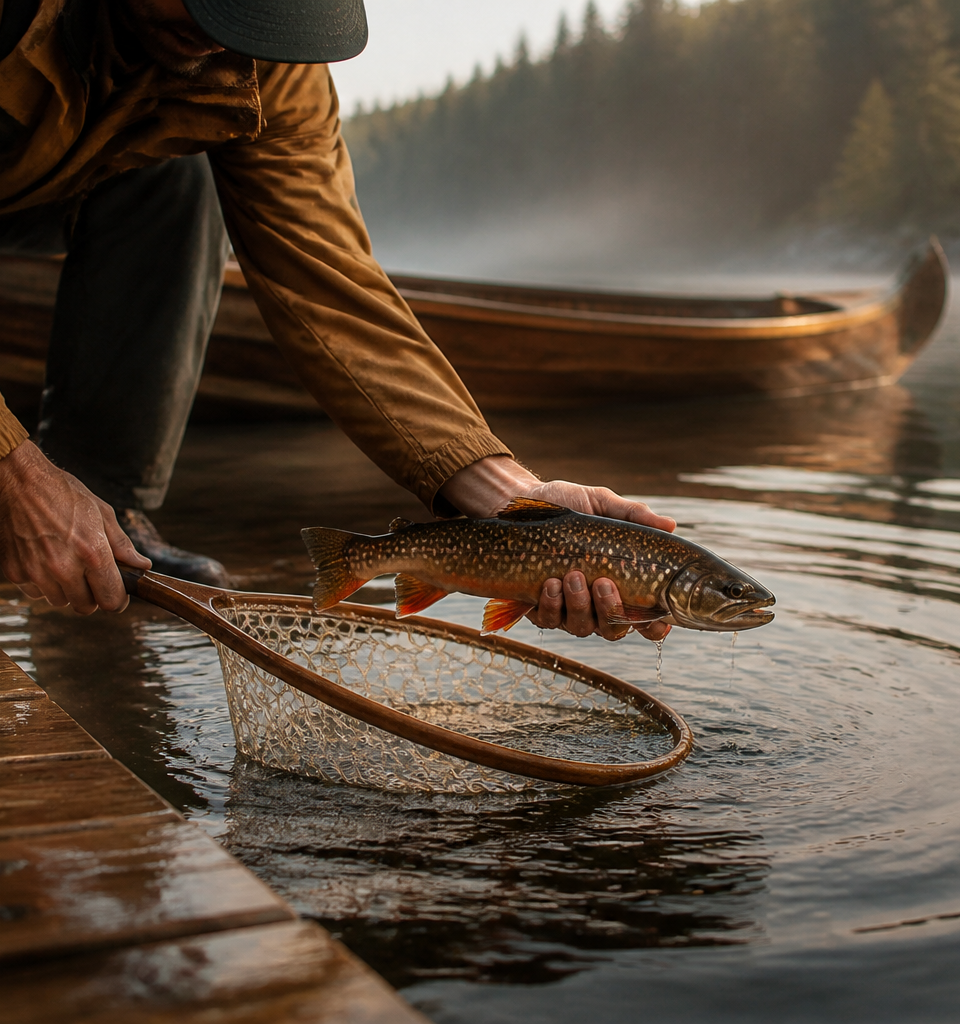
Brook trout, or speckled trout (*Salvelinus fontinalis*), are easily recognized by their dark olive flanks patterned with worm-like vermiculations across the back and vibrant red dots circled with blue halos. In the province's pristine waters, their lower fins feature distinct white leading edges backed by a sharp black stripe. Anadromous fish, commonly known as sea-run Brook trout or "salters," display bright chrome flanks when entering fresh water before developing fiery spawning colours in the fall.
Their body shape reflects total adaptation to fast, cold water. A streamlined profile and broad, squared tail deliver impressive swimming power, especially when fighting heavy river currents. In Newfoundland and Labrador, Brook trout frequently reach proportions that surprise southern anglers, boasting deep shoulders, thick backs, and massive heads.
During the autumn spawn, mature males develop blazing orange-red bellies and a pronounced hooked lower jaw, known as a kype. This transformation coincides with thickened skin and aggressive territorial behaviour. Recognizing these traits helps anglers handle trophy breeders with extra care, ensuring these wild populations continue to thrive.
Where does Brook trout live in Newfoundland and Labrador?
Brook trout thrive across a wide range of cold, clean waterways, from Labrador's remote tundra streams to the countless interior ponds of the island of Newfoundland. Labrador is world-renowned for iconic river systems such as the Minipi and Eagle river watersheds, where rich aquatic invertebrate life fuels exceptional growth rates. Much like with Brook trout fishing in Quebec: tips and techniques, water quality and minimal human disturbance are key factors behind trophy concentrations.
On the island of Newfoundland, Brook trout populate the vast network of inland ponds and rocky rivers winding through the boreal forest. Coastal estuaries and tidal reaches provide prime feeding grounds for sea-run trout, which gorge on marine biomass before ascending freshwater rivers to spawn. This mix of salt and fresh water produces remarkably vigorous, hard-fighting fish.
Dissolved oxygen and water temperature dictate where fish hold. Brook trout avoid waters that rise above eighteen degrees Celsius, preferring deep, spring-fed pools and well-oxygenated riffles. Submerged boulder fields, undercut banks, and drop-offs serve as primary holding lies.
Wild Brook trout life cycle
Wild Brook trout live by the rhythm of harsh northern seasons and the need for abundant forage. Following ice-out in spring, adults leave deep wintering lake basins to feed aggressively in shallow flats, shoals, and inlet streams. In coastal river systems, sea-run fish migrate out into saltwater estuaries to feed heavily on sand lance and small marine crustaceans for several weeks.
Summer brings peak insect hatches, triggering high metabolic activity. As surface waters warm, larger trout shift toward stable thermal refuges, positioning themselves near rapids, cold springs, and plunge pools. Feeding becomes highly opportunistic, with trout targeting large stoneflies, mayflies, and small terrestrial mammals that fall into the water.
Spawning occurs in the fall, typically between late September and mid-October. Trout travel to clean, well-oxygenated gravel beds, often located at stream confluences or along wind-swept shoals. Females excavate shallow redds with their tails to deposit eggs, securing the next generation before winter ice covers the rivers.
When to fish for Brook trout in Newfoundland and Labrador?
Peak fishing runs from mid-June through late August, with slight timing differences between the island and northern Labrador. Right after ice-out, hungry trout respond eagerly to aggressive subsurface presentations. By late June, major hatches of large hexagenia mayflies and giant caddisflies trigger world-class dry fly action across Labrador's lakes and rivers.
Weather conditions directly impact daily fishing success. Overcast skies paired with a moderate breeze that breaks up the surface film are ideal, reducing the wariness of large fish in clear water. A dropping barometer ahead of a rain front often sparks aggressive feeding windows.
Late in the season, toward late August and early September, Brook trout take on their intense fall colours and grow territorial. While surface action may taper off in favour of subsurface strikes, the aggression of pre-spawn males makes for memorable battles. Anglers familiar with Brook trout fishing in New Brunswick: complete guide will find the sheer scale and wilderness setting of Newfoundland and Labrador truly unmatched.
Locating big Brook trout in rivers
Target transition zones where heavy current funnels food directly over a protected holding lie. Tail-outs below rapids, seam lines between fast and slow water, and eddies formed behind massive boulders are prime holding spots. Trophy trout station themselves in these lies to maximize calorie intake while conserving energy.
In Labrador's large lakes and widening river sections, submerged weed beds and wind-blown rocky points concentrate baitfish and nymphs. Shallow bays fed by cold feeder brooks draw trout during the warmest parts of the day. Keeping an eye out for subtle rises along boggy shorelines can help you intercept cruising fish feeding on emerging insects.
Lower sections of coastal salmon rivers also hold exceptional sea-run Brook trout. Focus on the tidal pools just above the brackish line, especially as an outgoing tide concentrates fish near structure. Booking through Newfoundland and Labrador fishing outfitters allows you to target these remote, productive waters alongside experienced local guides.
Best Brook trout fishing techniques
Fly fishing is the undisputed method for targeting trophy Brook trout here, especially with large dry flies fished on or across the surface. High-floating patterns like Bombers, Stimulators, and deer-hair caddis tied on size 6 or 8 hooks draw savage topwater strikes. Skating or skittering dry flies across the surface film creates wake action that trigger aggressive territorial takes.
When fish hold deep, large streamers imitating sculpins, leeches, or baitfish deliver consistent action. Stripping streamers such as Woolly Buggers, Zonkers, and Muddler Minnows near current seams and deep ledges activates predatory instincts. In quiet water during low-light hours, waking a deer-hair mouse pattern across the surface produces explosive strikes from trophy fish.
For spin anglers on permitted waters, casting medium-sized silver or copper spoons and heavy inline spinners is very effective in deep pools. A slow, steady retrieve near bottom, punctuated by brief pauses that flutter the lure, triggers strikes from resting trout. This dynamic approach mirrors techniques used when landlocked salmon fishing on the Côte-Nord.
Choosing the right gear for Brook trout
A 9-foot, 6-weight or 7-weight fly rod is the ideal setup to handle stiff northern winds and cast bulky flies. This rod class provides the backbone needed to fight and land fish over five or six pounds quickly, ensuring clean releases. Pair it with a dependable reel featuring a smooth, sealed disc drag to handle sudden runs into fast water.
A weight-forward floating line covers most scenarios on rivers and shallow lakes. Packing a sink-tip line is also recommended to get streamers down into deep holding pools and waterfall basins on bright days. Leaders should remain stout, tapering to 2X or 0X tippet, as wild Brook trout are rarely leader-shy when chasing large meals.
For spin fishing, select a 6.5 to 7-foot medium-light rod with a 2500-size reel spooled with 10 to 12-pound braided line and a fluorocarbon leader. High-quality breathable waders, a waterproof wading jacket, and polarized sunglasses are essential for spotting fish and navigating rocky riverbeds safely.
Brook trout fishing regulations in Newfoundland and Labrador
Sportfishing for Brook trout is managed under strict provincial regulations designed to protect wild, native stocks. Non-resident anglers must hire a licensed guide or book through an outfitter when fishing beyond specified distances from provincial highways or on scheduled salmon rivers. Daily bag and possession limits vary by management zone and typically impose strict quotas on large fish.
Barbless single hooks are mandatory on scheduled rivers and widely recommended elsewhere to minimize handling stress. Always handle fish with wet hands, keep them submerged as much as possible, and use a knotless rubber landing net. Reviewing official provincial publications is essential before heading into the backcountry.
For complete details on season dates, licence fees, and zone-specific rules, visit the Government of Newfoundland and Labrador. Regulations change annually: always check official rules before fishing.
Ecological importance and Brook trout conservation
Brook trout act as apex predators in cold, oligotrophic northern waters. Their presence in strong numbers reflects exceptional water quality, high dissolved oxygen, and an intact aquatic ecosystem free from pollution and siltation. By preying on smaller fish and aquatic insects, they help maintain ecological balance in northern watersheds.
Because the species is sensitive to warming water temperatures and angling pressure, practicing careful catch-and-release on trophy breeders has become the standard at top Labrador destinations. Releasing mature fish protects prime genetics and keeps these fisheries world-class.
Anglers must also take care to clean, drain, and dry boots, waders, and gear to prevent the spread of invasive species. Responsible stewardship ensures that these pristine waters remain productive for future generations.
Guided Brook trout fishing trips
Booking a floatplane trip into a remote Labrador wilderness camp is the ultimate adventure for any dedicated angler. Fly-in access ensures unpressured waters and total seclusion across miles of untouched rivers and lakes. Professional guides bring invaluable water reading skills, boat handling expertise, and backcountry safety awareness to every outing.
Wilderness lodges provide comfortable accommodations, hearty meals, and boats suited for navigating swift northern rivers. Each day offers the chance to explore remote, roadless waters where every cast holds trophy potential.
Explore available fly-in packages and outfitter options on MyOutfitters to start planning your next Brook trout trip to Newfoundland and Labrador.
Frequently asked questions
When does the Brook trout fishing season start in Newfoundland and Labrador?
The fishing season generally opens in early June and runs through early September, depending on the management zone. In Labrador, peak dry fly fishing takes place from late June through mid-August as water temperatures rise and major insect hatches emerge.
Do you need a guide to fish for Brook trout in Newfoundland and Labrador?
Yes, non-resident anglers must use a certified guide or outfitter when fishing on scheduled salmon waters or beyond designated distances from public highways in Labrador. This requirement ensures visitor safety in remote wilderness and supports provincial resource conservation.
How big do Brook trout get in Labrador?
Brook trout in Labrador regularly exceed five pounds, with trophy specimens between seven and ten pounds caught every season. Rich aquatic insect hatches and expansive, pristine watersheds allow wild fish to reach sizes rarely seen elsewhere in North America.
What are the best flies for Brook trout in Newfoundland and Labrador?
Large dry flies such as Stimulators, Bombers, and deer-hair caddis patterns work exceptionally well on top. Subsurface, bulky streamers like black or olive Woolly Buggers, Muddler Minnows, and mouse patterns trigger aggressive strikes from large trout.
Where can you catch sea-run Brook trout in Newfoundland?
Sea-run Brook trout are primarily found in coastal bays, estuaries, and the lower sections of rivers across the island of Newfoundland and southern Labrador. Incoming and outgoing tides create productive feeding seams where migrating trout gorge before moving upstream.
What fly rod should you choose for fishing in Labrador?
A 9-foot, 6-weight or 7-weight fast-action rod is ideal for dealing with frequent winds and fighting large trout. It delivers the power needed to cast bulky flies and land trophy fish quickly for a healthy release.
How much does a non-resident fishing licence cost in Newfoundland and Labrador?
Licence fees for non-residents vary based on trip length and whether you are targeting trout exclusively or fishing scheduled salmon waters. Rates are set annually by provincial authorities and can be purchased online or through local vendors.
How do you access the best Brook trout waters in Labrador?
Top Brook trout fisheries in Labrador are accessed almost exclusively by floatplane, typically flying out of hubs like Happy Valley-Goose Bay. Air charters transport anglers directly to remote outfitter camps on roadless river systems.
Can you fish for Brook trout with spin gear in Newfoundland?
Yes, spin fishing is permitted on many non-scheduled waters across the province. Medium-sized spoons and inline spinners equipped with single barbless hooks are effective for targeting deep pools and lake drop-offs.
Do you need to use barbless hooks for Brook trout in Newfoundland and Labrador?
Barbless single hooks are mandatory on all scheduled waters and strongly recommended on all other waters. Using barbless hooks minimizes injury, speeds up unhooking, and increases survival rates for released fish.